
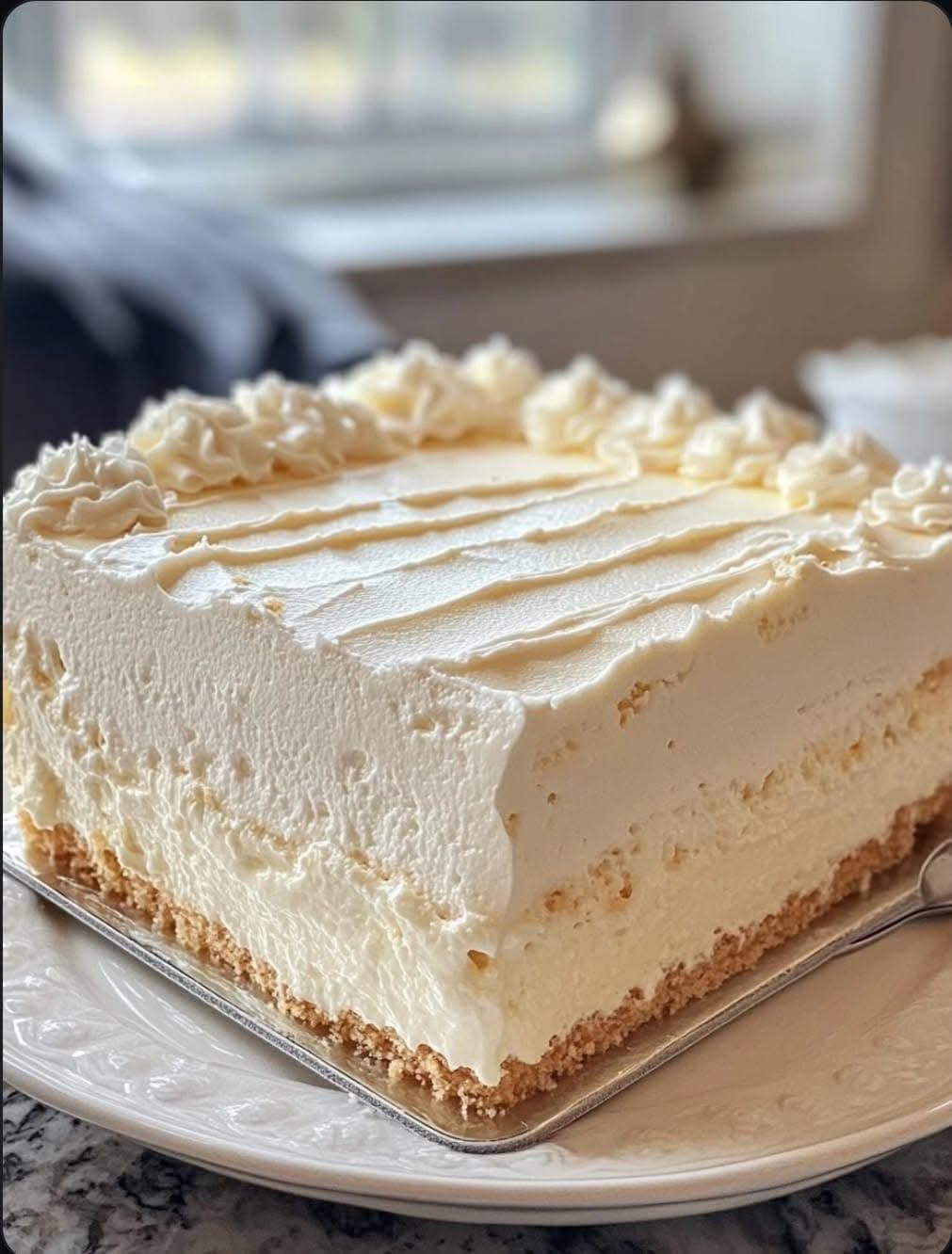
Cream Cheese Cake
Cream cheese cake, often simply called cheesecake, is one of the most beloved desserts in the world.
Its smooth texture, rich flavor, and comforting taste make it a favorite across cultures and generations.
Whether served plain or topped with fruits, chocolate, or sauces, cream cheese cake offers a balance of
sweetness and creaminess that feels both indulgent and familiar.
This blog explores cream cheese cake in depth, from its history and ingredients to preparation methods,
variations, and tips for achieving the perfect result. By the end, you will have a clear understanding
of why this dessert remains timeless and how it continues to adapt to modern tastes.
The History of Cream Cheese Cake
The origins of cheesecake date back thousands of years. Early versions were enjoyed in ancient Greece,
where a simple mixture of cheese, honey, and flour was baked and served to athletes during the Olympic Games.
These early cheesecakes were far different from the creamy dessert we know today, but they laid the foundation
for what would eventually become a global favorite.
As cheesecake traveled through Europe, each region adapted the recipe to local ingredients.
In Italy, ricotta cheese became the primary base, while in Germany, quark was commonly used.
These variations shaped the texture and flavor of cheesecakes across the continent.
The modern cream cheese cake emerged in the United States during the late nineteenth century,
following the development of commercial cream cheese. This innovation allowed bakers to achieve a
smoother, richer texture that quickly became associated with American-style cheesecake.
New York, in particular, became famous for its dense and creamy version.
What Makes Cream Cheese Cake Special
The defining characteristic of cream cheese cake is its texture. Cream cheese provides a smooth,
velvety consistency that sets it apart from other desserts. When properly prepared, the cake is firm
enough to hold its shape while remaining soft and creamy with every bite.
Flavor balance is another key element. Cream cheese has a mild tanginess that contrasts beautifully
with sugar and vanilla. This balance prevents the dessert from becoming overly sweet and allows it
to pair well with a wide variety of toppings.
Cream cheese cake is also highly versatile. It can be baked or no-bake, served plain or decorated,
and adapted to suit different dietary preferences. This flexibility contributes to its enduring popularity.
Essential Ingredients
Although there are many variations, classic cream cheese cake relies on a few core ingredients.
Each plays an important role in the final result.
Cream Cheese
Cream cheese is the foundation of the cake. Full-fat cream cheese is generally recommended,
as it provides the richest texture and flavor. It should always be softened before mixing
to ensure a smooth batter without lumps.
Sugar
Sugar sweetens the cake and helps balance the natural tang of the cream cheese.
Granulated sugar is most commonly used, though some recipes incorporate powdered sugar
or alternative sweeteners for specific textures.
Eggs
Eggs act as a binding agent, giving the cake structure as it bakes.
They also contribute to the smooth, custard-like texture that defines a good cream cheese cake.
Eggs should be added gradually to avoid overmixing.
Flavorings
Vanilla extract is the most common flavoring, enhancing the natural taste of the cream cheese.
Some recipes also include lemon zest or juice for added brightness.
The Crust
Most cream cheese cakes are built on a crust made from crushed biscuits or graham crackers mixed with butter.
The crust adds texture and contrast, preventing the dessert from feeling too soft or heavy.
Baked vs No-Bake Cream Cheese Cake
Cream cheese cake can be prepared using two main methods: baked and no-bake.
Each approach has its own advantages and unique characteristics.
Baked Cream Cheese Cake
Baked cheesecakes are known for their dense, rich texture.
They are typically cooked in the oven at a low temperature to prevent cracking and overcooking.
A water bath is often used to maintain even heat and moisture.
This method requires more time and precision, but the result is a classic, structured cake
that slices cleanly and holds its shape well.
No-Bake Cream Cheese Cake
No-bake cheesecakes rely on refrigeration instead of baking to set.
They often use whipped cream or gelatin to provide structure.
These cakes are lighter and softer, making them ideal for warm weather.
No-bake versions are quicker and simpler, making them popular for beginners
or for those who prefer a less dense dessert.
Step-by-Step Preparation Overview
While recipes vary, the general process of making a cream cheese cake follows a similar pattern.
Understanding these steps helps ensure consistent results.
First, the crust is prepared and pressed firmly into the base of a pan.
This creates a solid foundation for the filling.
Next, the cream cheese is mixed until smooth before sugar and flavorings are added.
Eggs are incorporated last, one at a time, to avoid introducing excess air.
The filling is then poured over the crust and either baked or chilled,
depending on the chosen method.
Proper cooling is essential, as it allows the cake to set fully and develop its texture.
Common Mistakes and How to Avoid Them
Even experienced bakers can encounter challenges when making cream cheese cake.
Understanding common mistakes can help prevent disappointment.
Overmixing the batter is a frequent issue. Too much air can cause the cake to rise
and then collapse, leading to cracks.
Using cold ingredients is another problem. Cold cream cheese can create lumps
that are difficult to smooth out. Allowing ingredients to reach room temperature
makes mixing easier and more effective.
Finally, rushing the cooling process can affect texture.
Cream cheese cake should cool gradually, then chill thoroughly before serving.
Popular Variations
Cream cheese cake serves as a base for countless variations.
These adaptations allow bakers to customize flavor and presentation.
Fruit-Topped Cheesecake
Fresh or cooked fruits such as strawberries, blueberries, or cherries
add color and freshness. Fruit toppings also provide a pleasant contrast
to the richness of the cake.
Chocolate Cheesecake
Chocolate can be added directly to the batter or used as a topping.
This variation appeals to those who enjoy deeper, more intense flavors.
Flavored Cheesecakes
From coffee and caramel to coconut and peanut butter,
cream cheese cake adapts easily to different flavor profiles.
These variations allow creativity while maintaining the classic structure.
Serving and Storage Tips
Cream cheese cake is best served chilled.
Clean slices can be achieved by using a sharp knife dipped in warm water
and wiped between cuts.
Leftover cake should be stored in the refrigerator, covered tightly
to prevent it from absorbing other flavors.
Most cream cheese cakes remain fresh for several days when properly stored.
Why Cream Cheese Cake Remains Timeless
The lasting appeal of cream cheese cake lies in its balance.
It is rich without being overwhelming, simple yet adaptable,
and familiar while still feeling special.
Whether enjoyed at celebrations, holidays, or quiet moments,
cream cheese cake continues to bring comfort and satisfaction.
Its ability to evolve while maintaining its core identity
ensures its place as a classic dessert for generations to come.
Conclusion
Cream cheese cake is more than just a dessert.
It is a reflection of culinary history, creativity, and shared enjoyment.
From its ancient origins to modern interpretations,
it remains a symbol of indulgence and craftsmanship.
By understanding its ingredients, methods, and variations,
anyone can appreciate the care and technique behind a well-made cream cheese cake.
Whether baked or no-bake, plain or decorated,
this dessert continues to earn its reputation as a timeless favorite.