
Pulled Out Some Stale Bread from the Pantry—What Should I Do?
It happens to almost everyone. You open the pantry, reach for a loaf of bread, and realize it is no longer soft and fresh. Instead, it feels dry, firm, and a little disappointing. Stale bread often gets thrown away without a second thought, but that does not have to be the end of the story. In fact, stale bread can be surprisingly useful, delicious, and even inspiring when you know what to do with it.
Before you toss that loaf into the trash, it is worth taking a moment to understand what stale bread really is, why it happens, and how many creative options you still have. From simple kitchen fixes to comforting recipes and smart storage tips, stale bread can turn from a problem into an opportunity.
What Does “Stale” Really Mean?
Stale bread is often misunderstood. Many people assume that stale bread means spoiled bread, but that is not always true. Bread becomes stale primarily because of a natural process called retrogradation. This happens when the starch molecules in bread begin to crystallize and release moisture, causing the bread to feel dry and hard.
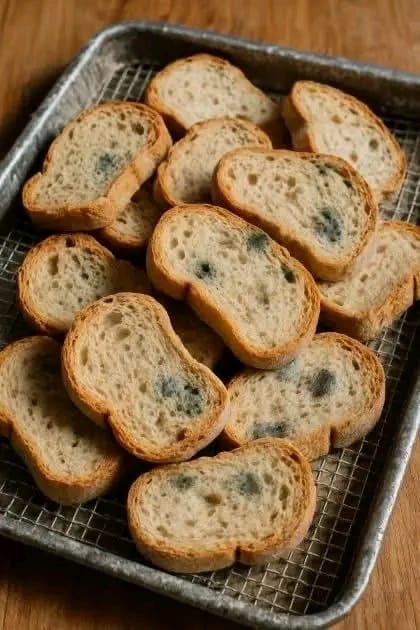
Importantly, stale bread is not the same as moldy bread. Mold appears as fuzzy spots that can be green, blue, white, or black. If you see mold, the bread should be discarded immediately for safety reasons. However, if the bread is simply dry and firm with no visible mold or unpleasant smell, it is usually safe to eat and perfect for reuse.
First Things First: Check the Bread
Before deciding what to do, take a careful look at the bread. Check all sides, including the bottom and between slices if it is pre-sliced. Smell it briefly. Fresh bread has a mild, pleasant aroma, while spoiled bread may smell sour or musty.
If the bread passes these checks and is only stale, you have many options available. The key is to match the condition of the bread with the right solution. Slightly stale bread can often be refreshed, while very dry bread is excellent for cooking and baking.
Can Stale Bread Be Soft Again?
Yes, in many cases, stale bread can be revived. While it may not return to its original bakery-fresh state, it can become soft and enjoyable again. One common method involves moisture and heat.
For a whole loaf or large piece of bread, lightly sprinkle or brush the crust with water. Wrap it in aluminum foil and place it in an oven preheated to a moderate temperature. After several minutes, the steam created inside the foil helps rehydrate the bread. Once heated, remove the foil and let the bread cool slightly before eating.
For individual slices, a toaster or microwave can work. Wrapping a slice in a slightly damp paper towel and heating it briefly can soften it enough for immediate use. This method is best for quick meals rather than long-term storage.
When Reviving Is Not the Best Option
Sometimes bread is too far gone to be softened effectively. Very dry or hard bread may crumble or remain tough even after heating. In these cases, it is better to embrace its new texture rather than fight it.
Dry bread has a unique advantage: it absorbs liquids beautifully. This makes it ideal for many recipes that rely on soaking, toasting, or blending. Instead of seeing dryness as a flaw, think of it as a feature that opens the door to new possibilities.
Turning Stale Bread into Breadcrumbs
One of the simplest and most useful ways to use stale bread is to turn it into breadcrumbs. Homemade breadcrumbs are easy to make and often taste better than store-bought versions.
To do this, break the bread into smaller pieces and allow it to dry completely if it is not already very dry. Then, use a food processor or blender to grind it into crumbs. You can keep them plain or add simple seasonings like salt or dried herbs.
Breadcrumbs can be stored in an airtight container and used for coating foods, topping casseroles, or adding texture to dishes. This single step can extend the life of stale bread by weeks or even months.
Classic Recipes That Love Stale Bread
Many traditional recipes were created specifically to avoid wasting bread. These dishes not only use stale bread but actually depend on it for the right texture and flavor.
One well-known example is bread pudding. Dry bread absorbs a sweet mixture of milk, eggs, and spices, transforming into a soft and comforting dessert. Similarly, savory dishes like stuffing or dressing rely on stale bread to soak up broth and seasonings without becoming mushy.
Another popular option is French toast. Slightly stale bread is actually preferred because it absorbs the egg mixture better, resulting in a richer and more satisfying texture when cooked.
Croutons: Simple and Versatile
Croutons are an excellent use for stale bread and require very little effort. Cut the bread into cubes, toss them lightly with oil, and bake them until crisp. The result is a crunchy addition to salads, soups, and even snack bowls.
You can customize croutons with different seasonings, depending on your taste. Even plain croutons add texture and make meals more interesting. Once cooled, they can be stored in a sealed container for later use.
Stale Bread in Soups and Stews
In many cuisines, bread is used to thicken soups or add substance. Stale bread works especially well for this purpose. When added to hot liquid, it softens and blends into the dish, creating a hearty and comforting texture.
Some soups are even served over slices of toasted stale bread, allowing the bread to soak up the broth slowly. This approach turns a simple soup into a filling and satisfying meal.
Making the Most of Every Slice
Using stale bread is not just about saving money or avoiding waste. It is also about creativity and appreciation for food. Learning how to reuse bread encourages mindful cooking and helps develop practical kitchen skills.
Each type of bread, whether white, whole grain, or artisan-style, offers different possibilities when it becomes stale. Dense breads hold up well in soaking recipes, while lighter breads are ideal for crumbs and toppings.
How to Store Bread Better Next Time
Preventing bread from going stale too quickly can reduce the need for rescue methods. Proper storage plays a major role in how long bread stays fresh.
Bread should generally be kept in a cool, dry place. Storing it in a breathable bag can help balance moisture and airflow. Freezing bread is another effective option, especially if you know you will not use the entire loaf quickly.
When frozen, bread should be wrapped well to prevent freezer burn. Slices can be taken out as needed and thawed or toasted directly, preserving both flavor and texture.
When to Let Go
While stale bread has many uses, it is important to know when to discard it. If bread shows any signs of mold, unusual odors, or excessive moisture, it should not be eaten. Food safety always comes first.
Trust your senses and do not feel guilty about throwing away bread that is no longer safe. The goal is to reduce waste responsibly, not to take unnecessary risks.
Final Thoughts
Finding stale bread in your pantry does not have to be frustrating. With a little knowledge and creativity, it can become an ingredient rather than a problem. From refreshing techniques to classic recipes and smart storage habits, stale bread offers many opportunities to make the most of what you have.
The next time you pull out a loaf that feels a little too firm, pause before throwing it away. You might discover a new favorite recipe, a useful kitchen habit, or simply a deeper appreciation for turning simple ingredients into something satisfying and meaningful.