
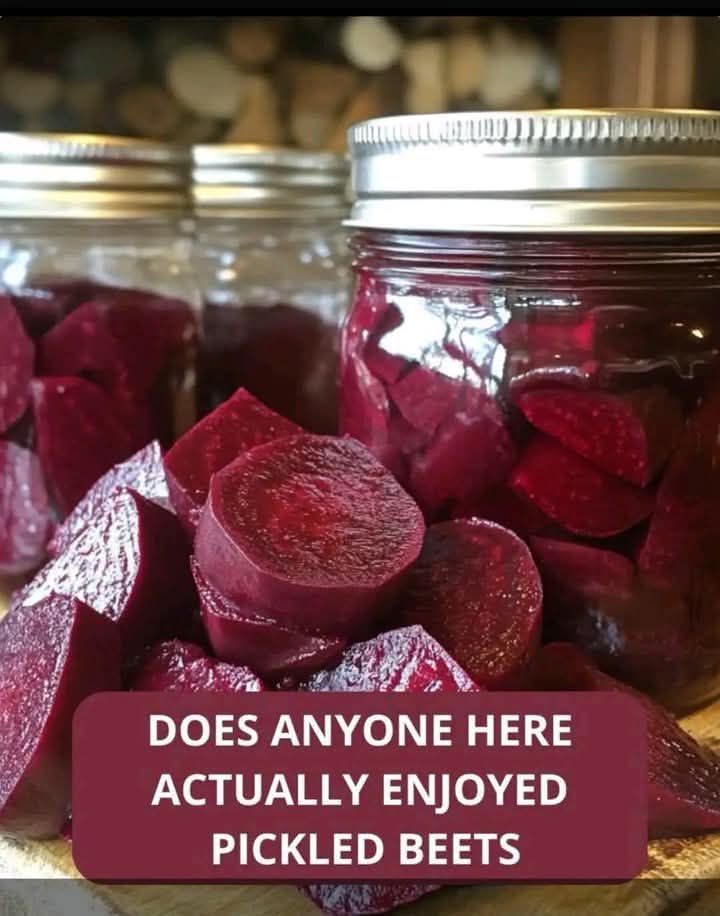
Homemade Pickled Beets Recipe
Pickled beets are a timeless classic that has been enjoyed across many cultures for generations.
Their balance of earthy sweetness and gentle acidity makes them a perfect side dish, salad topping,
or snack. Making pickled beets at home is not only simple, but it also allows full control over flavor,
texture, and ingredients. This guide will walk you through everything you need to know, from selecting
the best beets to storing your finished jars safely.
Unlike store-bought versions, homemade pickled beets can be adjusted to suit your personal taste.
Whether you prefer them tangy, sweet, or mildly spiced, this recipe provides a solid foundation
that you can customize. With basic kitchen tools and a little patience, you can create a jar of
vibrant, flavorful beets that last for weeks.
Why Make Pickled Beets at Home
Preparing pickled beets at home offers several advantages. First, freshness is guaranteed.
You choose the beets, ensuring they are firm, ripe, and free from blemishes. Second, homemade pickling
allows you to avoid unnecessary preservatives or artificial flavors often found in commercial products.
Finally, the process itself is rewarding and surprisingly relaxing.
Another reason to pickle beets at home is versatility. Pickled beets can be used in salads, sandwiches,
grain bowls, or served alongside roasted meats. They also pair well with cheese, nuts, and fresh herbs.
Once you master the basic recipe, you will find endless ways to enjoy them.
Choosing the Right Beets
The quality of your pickled beets begins with the beets themselves. Look for beets that are firm,
smooth, and heavy for their size. Smaller to medium-sized beets are ideal because they tend to be
tender and cook evenly. Large beets can be tougher and may require longer cooking time.
Both red and golden beets work well for pickling. Red beets produce a deep, rich color, while golden
beets offer a milder flavor and lighter appearance. You may also mix varieties for visual appeal.
Fresh beets with their greens still attached are often a sign of freshness.
Ingredients for Homemade Pickled Beets
This recipe uses simple pantry ingredients that are easy to find. Each component plays an important
role in achieving the perfect balance of flavor.
- 2 pounds fresh beets
- 1 cup white vinegar or apple cider vinegar
- 1 cup water
- 3/4 cup sugar
- 1 teaspoon salt
- Optional spices such as cloves, cinnamon sticks, or peppercorns
The vinegar provides acidity for preservation, while sugar balances the natural earthiness of the beets.
Salt enhances flavor, and spices add depth. You can adjust the sugar or vinegar slightly depending on
your taste preference.
Preparing the Beets
Start by washing the beets thoroughly under running water to remove dirt. Trim off the stems and roots,
leaving a small portion of the stem intact to prevent color bleeding during cooking. Do not peel the
beets at this stage.
Place the beets in a large pot and cover them with water. Bring the water to a boil, then reduce the
heat and simmer until the beets are tender when pierced with a fork. This usually takes between
30 and 45 minutes, depending on size.
Once cooked, drain the beets and allow them to cool slightly. When they are cool enough to handle,
use your hands or a paper towel to gently rub off the skins. They should slide off easily.
After peeling, slice the beets into rounds or wedges, depending on your preference.
Making the Pickling Brine
The pickling brine is the heart of the recipe. In a medium saucepan, combine the vinegar, water,
sugar, and salt. Stir the mixture over medium heat until the sugar and salt dissolve completely.
If you choose to add spices, place them into the brine while it heats. Whole spices are preferred
because they infuse flavor without clouding the liquid. Allow the brine to come to a gentle simmer,
then remove it from the heat.
Assembling the Pickled Beets
Place the sliced beets into clean glass jars. Pour the hot brine over the beets, ensuring they are
fully submerged. Leave a small amount of space at the top of the jar to allow for expansion.
Use a clean utensil to remove any air bubbles trapped between the beet slices. Wipe the rims of the
jars clean and seal them with lids. Let the jars cool to room temperature before transferring them
to the refrigerator.
Pickling Time and Storage
Although the beets can be eaten after a few hours, their flavor improves significantly with time.
For best results, allow the beets to pickle for at least 24 hours before serving. After several days,
the flavors will become more balanced and complex.
Store pickled beets in the refrigerator for up to three weeks. Always use clean utensils when removing
beets from the jar to maintain freshness and prevent contamination.
Flavor Variations and Additions
One of the joys of homemade pickled beets is experimentation. You can easily customize the flavor
profile by adjusting the spices or sweeteners. Honey or maple syrup can replace sugar for a deeper
sweetness. Adding sliced onions or garlic cloves introduces additional layers of flavor.
For a spicier version, consider adding a small chili pepper or a pinch of crushed red pepper flakes.
Herbs such as bay leaves or thyme can also complement the earthy notes of the beets.
Serving Ideas
Pickled beets are incredibly versatile. Serve them as a side dish alongside roasted chicken or fish.
They also make an excellent addition to salads, especially when paired with goat cheese, walnuts,
and leafy greens.
You can chop pickled beets and mix them into grain bowls or use them as a topping for sandwiches.
Their vibrant color and tangy flavor add interest to any dish.
Health Benefits of Pickled Beets
Beets are naturally rich in fiber, vitamins, and minerals. Pickling preserves many of these nutrients
while enhancing digestibility. The vinegar used in pickling may also support digestion.
While pickled beets do contain added sugar, they can still be enjoyed in moderation as part of a
balanced diet. Choosing homemade versions allows you to control the sweetness level.
Common Mistakes to Avoid
One common mistake is overcooking the beets, which can make them mushy. Always check for tenderness
early to prevent this. Another issue is using too much vinegar, which can overpower the natural
sweetness of the beets.
Ensure that jars are clean and that beets are fully submerged in brine. Exposure to air can affect
both flavor and shelf life.
Conclusion
Homemade pickled beets are a simple yet satisfying recipe that brings both flavor and color to your
table. With basic ingredients and straightforward steps, anyone can prepare them successfully.
The ability to customize sweetness, acidity, and spices makes this recipe especially rewarding.
Whether you enjoy them as a snack, side dish, or ingredient in creative meals, pickled beets are a
valuable addition to your kitchen. Once you try making them at home, they are likely to become a
regular part of your cooking routine.