
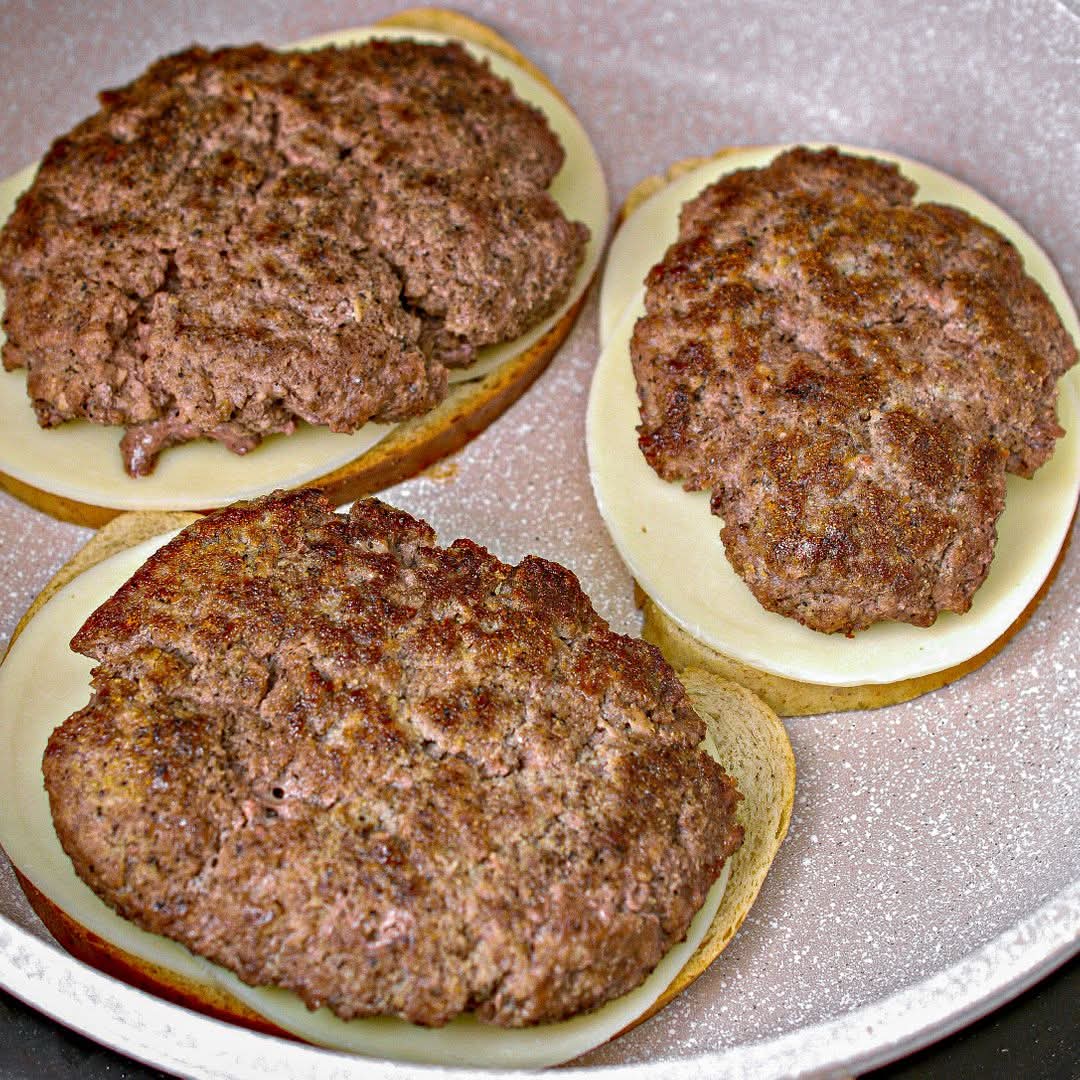
Classic Cheeseburger Patties
Classic cheeseburger patties are the foundation of one of the most loved foods in the world.
Simple, flavorful, and satisfying, they represent comfort food at its best.
While burgers may seem easy to make, a truly great cheeseburger patty requires attention to detail,
from the choice of meat to the way it is shaped, seasoned, and cooked.
This article explores everything you need to know about classic cheeseburger patties,
their history, preparation techniques, and the small details that make a big difference.
The History of the Cheeseburger Patty
The cheeseburger patty has its roots in the early development of hamburgers in the United States.
Ground beef was an affordable and practical ingredient, making it popular among working-class families.
When cooks began placing grilled beef patties between slices of bread, the hamburger was born.
The addition of cheese came later, turning a simple sandwich into an iconic meal.
Over time, cheeseburgers became a symbol of American cuisine.
Roadside diners, fast food restaurants, and backyard barbecues all contributed to their popularity.
Despite countless variations, the classic cheeseburger patty has remained largely unchanged,
showing that simplicity often delivers the best results.
What Makes a Classic Cheeseburger Patty
A classic cheeseburger patty is defined by balance.
It is not overloaded with spices or fillers, and it allows the flavor of beef to shine.
The patty should be juicy, tender, and sturdy enough to hold its shape during cooking.
Unlike modern gourmet burgers that include complex ingredients,
classic patties rely on a few essential elements.
High-quality ground beef, proper seasoning, and correct cooking techniques are all that is required.
When these elements come together, the result is a patty that pairs perfectly with cheese and a bun.
Choosing the Right Ground Beef
The most important decision when making cheeseburger patties is selecting the right ground beef.
Fat content plays a major role in both flavor and texture.
An 80/20 ratio, meaning 80 percent lean meat and 20 percent fat, is widely considered ideal.
Too little fat can result in dry, tough patties, while too much fat may cause excessive shrinkage.
Freshly ground beef is preferred whenever possible, as it retains better texture and flavor.
Avoid pre-seasoned or overly processed meat, as it can affect the final taste.
Shaping the Perfect Patty
Shaping the patty correctly ensures even cooking and a pleasant eating experience.
The meat should be handled gently to avoid compacting it too much.
Overworking the beef can lead to dense and chewy patties.
A classic patty is slightly wider than the bun, as it will shrink during cooking.
Pressing a small indentation in the center helps prevent the patty from puffing up.
This simple step helps maintain a flat, even shape that cooks consistently.
Seasoning Basics
Seasoning a cheeseburger patty should be simple and intentional.
Salt and black pepper are the traditional choices and are often all that is needed.
These seasonings enhance the natural flavor of the beef without overpowering it.
Season the patties just before cooking to prevent moisture loss.
Adding salt too early can draw out juices, resulting in a drier patty.
Consistency in seasoning ensures that every bite tastes balanced and satisfying.
Cooking Methods for Cheeseburger Patties
Classic cheeseburger patties can be cooked using several methods,
including grilling, pan-frying, and broiling.
Each method produces slightly different results, but all can deliver excellent flavor.
Grilling adds a smoky flavor and charred exterior, while pan-frying creates a rich crust.
Regardless of the method, the key is maintaining proper heat.
Too much heat can burn the outside before the inside cooks,
while too little heat can dry out the patty.
Cooking Time and Doneness
Cooking time depends on the thickness of the patty and personal preference.
A classic cheeseburger patty is usually cooked to medium or medium-well.
This allows the meat to remain juicy while being fully cooked.
Avoid pressing down on the patty while cooking, as this releases valuable juices.
Flipping once or twice is sufficient.
Proper cooking preserves both flavor and texture, ensuring a satisfying bite.
The Role of Cheese
Cheese is an essential component of a classic cheeseburger patty.
American cheese is the traditional choice due to its smooth melting quality.
Cheddar, Swiss, and other mild cheeses are also popular alternatives.
The cheese should be added near the end of cooking so it melts evenly.
Covering the patty briefly helps trap heat and ensures proper melting.
The cheese should complement the beef, not overpower it.
Buns and Their Importance
While the patty is the star, the bun plays a supporting role that should not be overlooked.
A classic burger bun is soft yet sturdy, able to hold the patty and toppings without falling apart.
Lightly toasting the bun enhances texture and prevents sogginess.
The bun should frame the patty, allowing the flavors to come together in every bite.
Balance between bun and patty is key to a great cheeseburger.
Classic Toppings
Traditional cheeseburger toppings include lettuce, tomato, onion, and pickles.
These elements add freshness, crunch, and contrast to the rich patty and cheese.
Condiments such as ketchup, mustard, and mayonnaise are commonly used.
When applied in moderation, they enhance flavor without overwhelming the burger.
Classic toppings respect the simplicity of the cheeseburger.
Common Mistakes to Avoid
One common mistake is over-seasoning the patty with unnecessary ingredients.
Another is cooking the patty for too long, which leads to dryness.
Using low-quality meat can also compromise the final result.
Rushing the cooking process or ignoring proper shaping techniques often results in uneven patties.
Attention to small details helps avoid these issues and improves consistency.
Why Classic Cheeseburger Patties Remain Popular
Classic cheeseburger patties have stood the test of time because they deliver comfort and satisfaction.
They are familiar, reliable, and adaptable to different tastes and occasions.
Whether served at a family gathering or a casual meal,
the classic cheeseburger patty continues to bring people together.
Its simplicity is its strength, proving that great food does not need to be complicated.
Conclusion
Classic cheeseburger patties represent a perfect balance of flavor, texture, and tradition.
By focusing on quality ingredients and simple techniques,
anyone can create a delicious and satisfying burger.
Understanding the fundamentals of cheeseburger patties allows cooks to appreciate their timeless appeal.
From history to preparation, the classic cheeseburger remains a beloved dish around the world.