
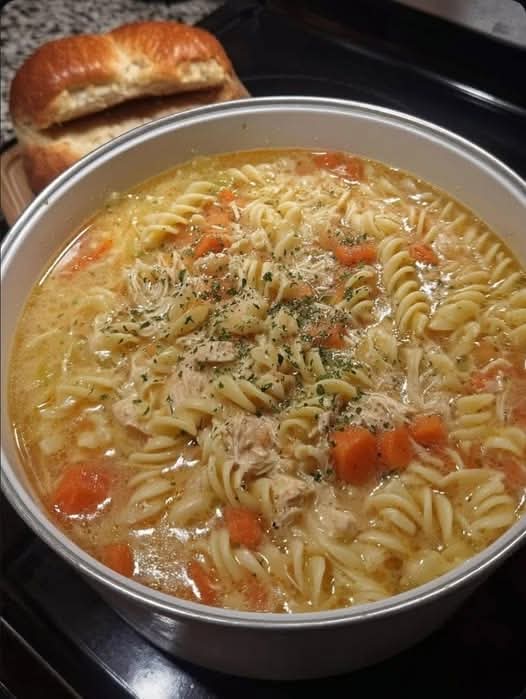
Chicken Noodle Soup: A Comforting Classic
Chicken noodle soup is more than just a meal; it is a comforting tradition that has warmed hearts and nourished bodies for generations. Known for its soothing aroma, rich flavor, and gentle healing properties, chicken noodle soup has earned a beloved place in kitchens around the world. In this blog, we will explore the origins, variations, benefits, and a step-by-step guide to making the perfect bowl of chicken noodle soup.
The History of Chicken Noodle Soup
Chicken noodle soup has a long and fascinating history that dates back centuries. While it is widely recognized as a staple of American cuisine, its origins trace back to European and Asian culinary traditions. Early recipes often combined simple ingredients like chicken, vegetables, and herbs, simmered together to create a nourishing broth. The addition of noodles became popular in the 19th century, particularly with the rise of packaged pasta.
In many cultures, chicken soup was considered a remedy for illness, believed to help strengthen the body and promote healing. The term “Jewish penicillin” became popular in the 20th century in reference to the soup’s reputation for easing cold and flu symptoms. Over time, chicken noodle soup has evolved to include countless variations, from creamy versions to spicy adaptations, reflecting regional tastes and culinary creativity.
Ingredients of Chicken Noodle Soup
The beauty of chicken noodle soup lies in its simplicity. While recipes can vary, a classic chicken noodle soup typically includes:
- Chicken: Often bone-in for a richer broth, or boneless for convenience.
- Noodles: Egg noodles are traditional, but rice noodles, pasta, or gluten-free options can also be used.
- Vegetables: Carrots, celery, onions, and garlic are common.
- Herbs and Spices: Bay leaves, thyme, parsley, salt, and pepper.
- Broth or Stock: Homemade chicken stock provides depth of flavor, though store-bought stock is also suitable.
Optional ingredients include lemon, ginger, or turmeric, which can add extra warmth and immune-boosting properties. Some recipes also incorporate potatoes, peas, or corn for added texture and nutrition.
Health Benefits of Chicken Noodle Soup
Chicken noodle soup is often considered a comfort food, but it also offers several health benefits. First and foremost, the soup provides hydration, which is essential during illness or cold weather. The warm broth can help soothe sore throats and ease congestion.
The combination of chicken, vegetables, and noodles offers a balanced mix of protein, vitamins, and carbohydrates. Chicken provides lean protein that supports muscle repair and immune function. Vegetables contribute essential vitamins, minerals, and antioxidants, while noodles offer energy-sustaining carbohydrates. The warm, nourishing nature of the soup also promotes relaxation and a sense of well-being.
Step-by-Step Guide to Making Chicken Noodle Soup
Step 1: Preparing the Ingredients
Start by gathering all your ingredients. Chop vegetables evenly to ensure uniform cooking. If using a whole chicken or bone-in pieces, rinse and pat dry. Prepare herbs and seasonings to add at the right stage of cooking.
Step 2: Making the Broth
In a large pot, add the chicken along with water or stock. Bring to a gentle boil and then reduce to a simmer. Skim off any foam that rises to the surface to ensure a clear broth. Add herbs like thyme, parsley, and bay leaves. Let the broth simmer for at least 45 minutes to extract maximum flavor from the chicken.
Step 3: Cooking the Vegetables
Add chopped onions, carrots, celery, and garlic to the simmering broth. Continue cooking until the vegetables are tender, usually about 15-20 minutes. At this stage, adjust seasoning with salt and pepper.
Step 4: Adding the Noodles
Add your choice of noodles to the simmering soup. Cook according to package instructions, typically 7-10 minutes. Avoid overcooking to prevent the noodles from becoming mushy.
Step 5: Finishing Touches
Remove the chicken, shred it into bite-sized pieces, and return it to the pot. Taste the soup and adjust seasoning as needed. Garnish with fresh parsley for a burst of color and flavor. Serve hot for the ultimate comforting experience.
Variations of Chicken Noodle Soup
Chicken noodle soup can be adapted to suit a wide range of tastes and dietary needs. Some popular variations include:
- Creamy Chicken Noodle Soup: Adds cream or milk to create a rich, velvety texture.
- Spicy Chicken Noodle Soup: Includes chili flakes or hot sauce for a warming kick.
- Vegetable-Rich Chicken Noodle Soup: Features additional vegetables such as zucchini, spinach, or peas for extra nutrition.
- Gluten-Free Chicken Noodle Soup: Uses rice noodles or gluten-free pasta for those with dietary restrictions.
- Slow Cooker Chicken Noodle Soup: Allows flavors to meld over several hours with minimal effort.
Tips for the Perfect Chicken Noodle Soup
Making the perfect chicken noodle soup involves attention to detail and a few insider tips:
- Use bone-in chicken for a richer broth.
- Simmer gently rather than boiling to prevent cloudy broth.
- Add noodles toward the end to maintain texture.
- Season gradually, tasting as you go.
- Fresh herbs added at the end enhance aroma and flavor.
Why Chicken Noodle Soup is a Comfort Food
Chicken noodle soup has earned its status as a comfort food because of its warmth, familiarity, and the care involved in preparing it. Many people associate it with family gatherings, childhood memories, or care during sickness. Beyond its taste, the act of making soup itself can be therapeutic, offering a sense of calm and satisfaction.
The aroma of simmering chicken, the gentle flavor of herbs, and the soft, hearty noodles evoke feelings of home and security. It’s a dish that nourishes not only the body but also the soul.
Chicken Noodle Soup Around the World
While often associated with American cuisine, chicken noodle soup has many international variations:
- Asian Chicken Noodle Soup: Often includes soy sauce, ginger, and bok choy or mushrooms.
- European Versions: May feature dumplings or spaetzle instead of noodles.
- Latin American Versions: Include vegetables like corn and squash with fresh herbs such as cilantro.
These variations demonstrate the adaptability of chicken noodle soup and its universal appeal as a comforting, nourishing dish.
Storage and Reheating
Chicken noodle soup can be made ahead and stored for convenience. Refrigerate in an airtight container for up to 4 days or freeze for up to 3 months. When reheating, gently warm on the stove to prevent the noodles from becoming overcooked. For best texture, store noodles separately if possible and add them just before serving.
Conclusion
Chicken noodle soup is more than a meal; it is a symbol of comfort, tradition, and care. With its rich broth, tender chicken, hearty noodles, and fresh vegetables, it offers both nourishment and warmth. Whether enjoyed during a cold winter evening, served to someone under the weather, or simply savored as a favorite dish, chicken noodle soup continues to hold a timeless place in kitchens around the world. By following the simple steps and tips outlined in this guide, anyone can create a delicious, comforting bowl of chicken noodle soup that brings joy to both the body and the soul.