
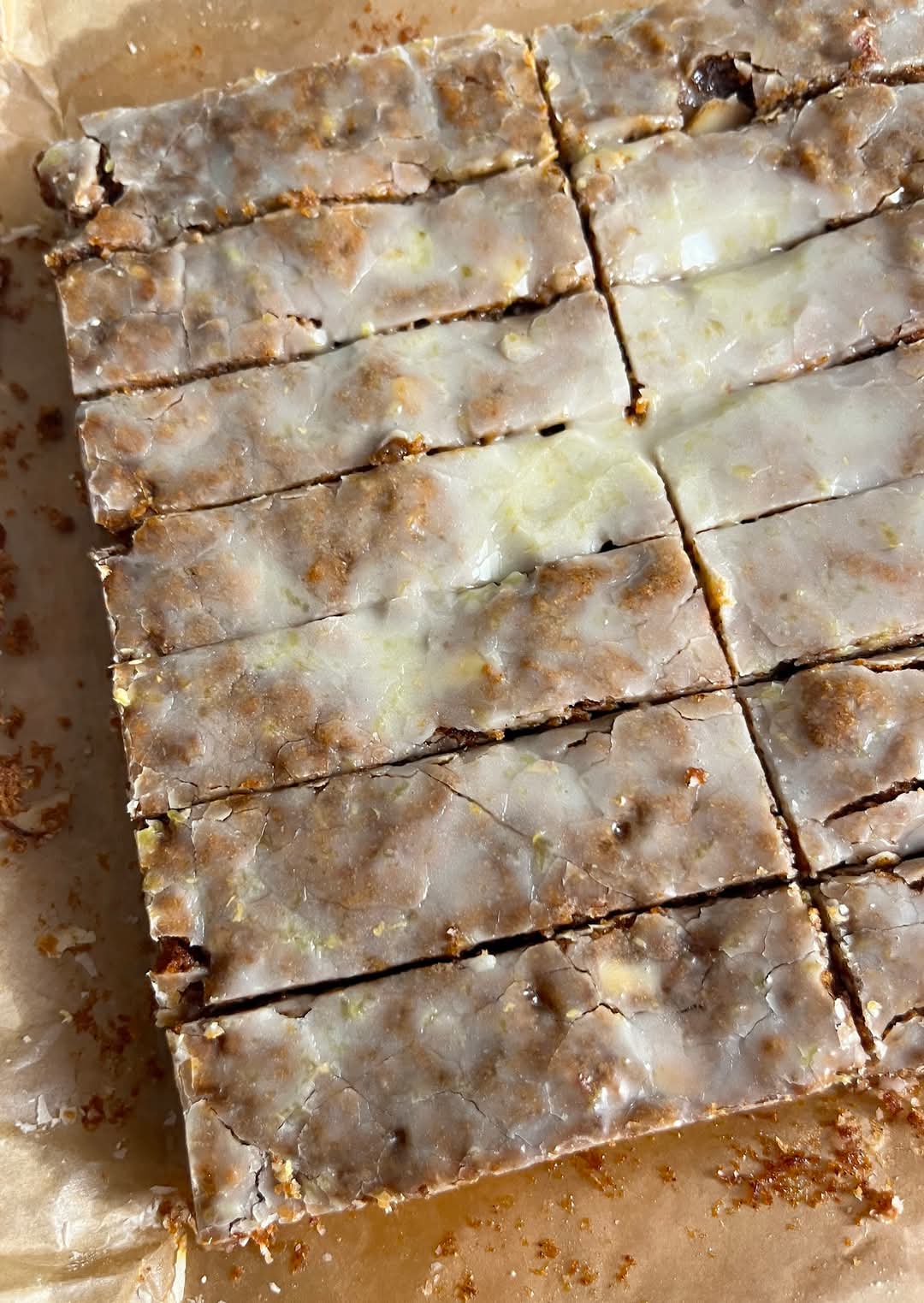
Lebkuchen Bars
Lebkuchen Bars are one of the most beloved traditional German treats, especially during the holiday season. These spiced bars combine the warmth of gingerbread with a wonderfully soft, chewy texture that melts in your mouth. This recipe has roots going back centuries, reflecting European winter traditions filled with spices, nuts, and rich aromas. In this blog, we will explore everything about Lebkuchen Bars, from their history to their ingredients, how to prepare them, and tips for achieving perfect results every time.
The History of Lebkuchen
Lebkuchen is a traditional German baked treat with origins dating back to medieval times. It was originally made by monks in the 13th century, during a period when spices were considered rare and precious. These treats were often baked for celebrations and religious holidays, becoming a staple in German Christmas markets over time. The name “Lebkuchen” is thought to come from the German word “Laib,” meaning loaf, or the Old German word “Lebbe,” meaning very sweet. Over the years, recipes evolved, incorporating honey, nuts, and warm spices that remain essential today.
As the recipe spread across European regions, various adaptations emerged, including soft Lebkuchen, crunchy varieties, and glazed or chocolate-coated versions. Lebkuchen Bars are a modern twist, transforming the traditional cookie into a convenient, sliceable dessert that maintains the classic flavors while being easier to bake at home.
Why Lebkuchen Bars Are So Special
Lebkuchen Bars stand out because they offer a perfect combination of texture and flavor. They are soft yet structured enough to slice cleanly, making them ideal for gatherings, gifting, or enjoying with coffee or tea. Their rich spice blend warms the senses and creates a festive atmosphere, even outside the holiday season. These bars also store well, which makes them perfect for preparing ahead of time or sharing with friends and family.
Another reason they are beloved is their incredible versatility. You can modify the spices, adjust sweetness, add nuts, or include dried fruit to personalize the recipe. Some prefer a dense, chewy bar, while others enjoy a softer, cake-like texture. Regardless of your preference, Lebkuchen Bars offer a delicious experience that connects tradition with modern comfort.
Ingredients Used in Lebkuchen Bars
The ingredients for Lebkuchen Bars are simple yet deeply flavorful. The most important components include:
Spices
Traditional Lebkuchen spices typically include cinnamon, cloves, nutmeg, ginger, and allspice. These spices create a warm, aromatic base that defines the treat. Some recipes incorporate cardamom, star anise, or a blend known as “Lebkuchengewürz,” a German spice mix used specifically for Lebkuchen.
Sweeteners
Honey is one of the most characteristic ingredients of Lebkuchen. Its deep, floral sweetness enhances the flavor and contributes to the soft texture. Brown sugar is also commonly used to add richness and moisture.
Nuts
Ground almonds or hazelnuts are often included, adding structure and depth. They also help keep the bars moist and tender. Some recipes add chopped nuts for added texture.
Flour and Leavening Agents
All-purpose flour provides the structure of the bars, while baking powder or baking soda helps them rise. Depending on the recipe, some bakers add rye flour for authenticity and a more traditional flavor.
Eggs and Fats
Eggs help bind the ingredients together, and butter or oil adds richness to the dough. While traditional Lebkuchen sometimes omitted fats, the modern bar version benefits greatly from added moisture.
Optional Add-ins
Many variations include candied citrus peel, raisins, or currants. These ingredients add brightness and sweetness, balancing the spices. Chocolate chips or melted chocolate toppings are modern additions that enhance the dessert’s appeal.
How to Make Lebkuchen Bars
Preparing Lebkuchen Bars is easier than you might expect. The process involves mixing the dry ingredients, combining them with wet ingredients, pouring the batter into a baking pan, and finishing with a glaze or topping. Below is a simple step-by-step guide:
Step 1: Prepare the Dry Ingredients
Begin by combining flour, ground nuts, baking powder, and your chosen spices in a large bowl. Mixing the dry ingredients first ensures that the spices are evenly distributed throughout the batter.
Step 2: Prepare the Wet Ingredients
In another bowl, whisk together the eggs, honey, brown sugar, and melted butter until smooth. The honey may thicken slightly when mixed, but that’s normal. Make sure the butter is not too hot, as it can cook the eggs.
Step 3: Combine the Mixtures
Pour the wet mixture into the dry mixture and stir gently until everything is combined. If you are adding candied fruits, raisins, or nuts, fold them in at this stage. The batter will be thick and aromatic.
Step 4: Bake
Spread the batter evenly in a lined baking pan. Bake in a preheated oven until the bars are set and lightly browned around the edges. Baking times vary based on pan size and oven type, but typically range from 20 to 30 minutes.
Step 5: Glaze the Bars
While the bars are still warm, brush them with a glaze made from powdered sugar and a small amount of water or lemon juice. The glaze adds sweetness and helps lock in moisture. Some people prefer a chocolate glaze, which adds a richer flavor.
Step 6: Cool and Slice
Allow the bars to cool completely before slicing. This ensures clean, even pieces. Once cooled, you can cut them into squares, rectangles, or even diamond shapes for a more decorative presentation.
Tips for Perfect Lebkuchen Bars
To achieve perfect results every time, consider the following tips:
- Use fresh spices for the best flavor.
- Do not overmix the batter to avoid a tough texture.
- Add the glaze while the bars are still warm for better absorption.
- Allow the bars to rest overnight; the flavor improves significantly.
- Store them in an airtight container to keep them moist.
Variations of Lebkuchen Bars
There are many ways to personalize this classic recipe. Some popular variations include:
Chocolate-Dipped Lebkuchen Bars
Dip the cooled bars into melted chocolate to add a luxurious touch. This variation is particularly popular among chocolate lovers and makes the dessert more festive.
Citrus Lebkuchen Bars
Add candied orange peel, lemon zest, or a citrus glaze to brighten the flavors. Citrus pairs exceptionally well with warm spices.
Nutty Lebkuchen Bars
Increase the amount of nuts or add chopped walnuts, almonds, or pecans. This gives the bars a delightful crunch.
Gluten-Free Lebkuchen Bars
Use almond flour or a gluten-free flour blend to accommodate dietary needs. The natural density of the recipe makes it easy to convert without losing texture.
Serving Suggestions
Lebkuchen Bars can be enjoyed in many ways. They pair wonderfully with hot beverages such as coffee, tea, or hot chocolate. They can also be served as part of a dessert platter during parties and celebrations. Their attractive texture and aroma make them a warm and inviting treat for guests.
For a festive presentation, dust the bars with powdered sugar, drizzle chocolate on top, or garnish with nuts. They also make great holiday gifts when wrapped in decorative boxes or bags.
Storing and Freezing Lebkuchen Bars
One of the best features of Lebkuchen Bars is their excellent storage life. They improve in flavor after a day or two as the spices develop and the texture softens. Store them in an airtight container at room temperature for up to a week.
For longer storage, you can refrigerate or freeze the bars. When freezing, wrap each piece individually and place them in a freezer-safe container. They can be frozen for up to two months. To serve, thaw at room temperature and enjoy as if freshly baked.
Conclusion
Lebkuchen Bars are a wonderful blend of history, tradition, and delicious flavors. Whether you prepare them during the holiday season or anytime you crave something warm and spiced, they offer a comforting and nostalgic experience. These bars are easy to prepare, customizable, and perfect for sharing. With their rich aroma and soft texture, they capture the essence of classic German baking in every bite. Try making them at home and enjoy the timeless charm they bring to your table.