
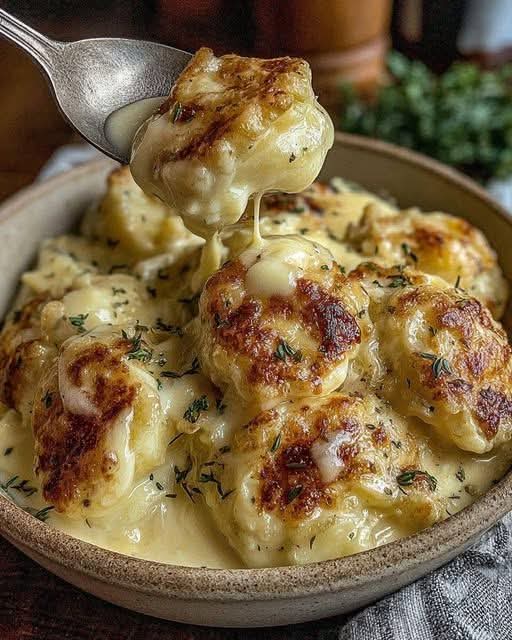
German Cabbage with Dumplings
German cuisine is rich, hearty, and comforting. Among its many delicious dishes, one classic that stands out is German cabbage with dumplings. This dish, which combines tender cabbage with soft, pillowy dumplings, represents the simplicity and warmth of traditional German home cooking. In this article, we will explore its history, ingredients, preparation, and variations, providing a detailed guide for anyone looking to experience authentic German flavors.
The History of German Cabbage Dishes
Cabbage has been a staple in German cuisine for centuries. Its popularity in Germany dates back to medieval times when cabbage was widely cultivated due to its hardiness and nutritional value. Cabbage could withstand the harsh winters of Europe, making it an essential vegetable in German households. Over time, German cooks developed numerous ways to prepare cabbage, ranging from simple boiled cabbage to the famous sauerkraut and cabbage rolls.
Dumplings, known as “Knödel” in German, are another traditional component of German cuisine. They are typically made from potatoes, bread, or flour and serve as a filling side dish to accompany meat or vegetable dishes. Combining cabbage and dumplings has become a cherished comfort food in Germany, offering a hearty, satisfying meal that warms both body and soul.
Ingredients for German Cabbage with Dumplings
The ingredients for this dish are simple but flavorful. For the cabbage, you will need fresh white cabbage, onions, garlic, caraway seeds, and a bit of butter or oil. Salt and pepper are essential for seasoning. Some recipes also include a splash of vinegar or a touch of sugar to balance the flavors.
For the dumplings, traditional recipes use potatoes, flour, eggs, and a pinch of salt. Bread dumplings can also be used, which are made from stale bread, milk, eggs, and herbs. The choice of dumpling depends on personal preference, but either variety pairs beautifully with the cabbage.
Preparing the Cabbage
Start by washing the cabbage thoroughly and removing any tough outer leaves. Slice the cabbage into thin strips, ensuring even cooking. In a large pan, heat butter or oil and sauté finely chopped onions and garlic until fragrant and translucent. This step is crucial as it forms the aromatic base for the cabbage.
Add the sliced cabbage to the pan and stir to combine with the onions and garlic. Sprinkle in caraway seeds, which provide a distinctive, slightly nutty flavor that complements the cabbage perfectly. Season with salt and pepper, then cover and let the cabbage cook gently over low to medium heat. Stir occasionally to ensure even cooking and prevent sticking. Depending on the desired texture, cooking may take anywhere from 20 to 40 minutes. Some prefer the cabbage tender but slightly crunchy, while others enjoy it fully soft and caramelized.
Making the Dumplings
While the cabbage cooks, you can prepare the dumplings. For potato dumplings, boil potatoes until tender, then peel and mash them. Mix in flour, eggs, and a pinch of salt to form a soft dough. Be careful not to overwork the dough, as this can make the dumplings dense rather than light and fluffy. Shape the dough into small balls or ovals and set aside.
Bring a large pot of salted water to a gentle boil. Drop the dumplings into the water and cook until they rise to the surface, usually about 10–15 minutes. Remove them with a slotted spoon and place them on a plate to drain. Bread dumplings are prepared similarly, using a mixture of milk-soaked bread, eggs, and seasonings, then boiled or steamed until cooked through.
Combining Cabbage and Dumplings
Once the cabbage and dumplings are ready, it’s time to bring the dish together. Serve the cabbage hot, spooned generously onto a plate, with dumplings arranged alongside or on top. Some cooks like to lightly sauté the dumplings in butter before serving to add a golden crust and extra flavor. This step is optional but highly recommended for added texture and richness.
The combination of sweet, savory cabbage with soft, comforting dumplings creates a meal that is both filling and satisfying. Many families in Germany consider this dish a staple for cold winter evenings, as it provides warmth and nourishment.
Serving Suggestions
German cabbage with dumplings can be served on its own as a vegetarian dish or paired with meat for a heartier meal. Traditional accompaniments include roasted pork, sausages, or smoked meats. For a lighter touch, consider adding a dollop of mustard or a sprinkle of fresh herbs such as parsley or chives. Sauerkraut enthusiasts may also enjoy adding a portion of fermented cabbage to enhance the tangy flavor profile.
To complete the meal, consider serving a simple green salad or pickles on the side. A hearty German bread, such as rye or pumpernickel, also complements the dish well. For beverages, a crisp German beer or a glass of sparkling water is a traditional choice.
Variations of the Dish
There are many regional variations of German cabbage with dumplings. In some parts of Germany, cabbage is sautéed with bacon or smoked ham to add a smoky, savory depth. Others may incorporate apples for a slightly sweet contrast, or potatoes for a one-pot variation that combines dumplings and vegetables.
Another popular variation is to use red cabbage instead of white cabbage. Red cabbage offers a slightly different taste and vibrant color, which can make the dish visually appealing while maintaining the comforting flavor profile. Slow-cooked cabbage recipes are also popular, where the cabbage is simmered with broth and seasonings for several hours, resulting in a rich, flavorful dish.
Health Benefits
German cabbage with dumplings is not only delicious but also offers several health benefits. Cabbage is rich in vitamins C and K, as well as dietary fiber, which supports digestion and overall wellness. Dumplings provide energy through carbohydrates and can be made healthier by using whole-grain flour or incorporating vegetables into the dough.
By using moderate amounts of butter or oil, this dish can be a balanced meal that satisfies cravings for comfort food without being overly heavy. Additionally, cooking cabbage gently helps retain most of its nutrients, making it a nutritious addition to any diet.
Tips for the Perfect Dish
To make the perfect German cabbage with dumplings, pay attention to a few key tips. First, slice the cabbage evenly to ensure uniform cooking. Second, avoid overcooking dumplings, as they can become dense and lose their delicate texture. Third, taste and adjust seasoning as you cook; a pinch of sugar or a dash of vinegar can elevate the flavor of cabbage significantly.
Using fresh ingredients is always preferable. Fresh cabbage, high-quality butter, and farm-fresh eggs for dumplings make a noticeable difference in taste. Also, consider letting the cabbage rest for a few minutes before serving, as this allows the flavors to meld beautifully.
Conclusion
German cabbage with dumplings is a timeless dish that embodies the heart of German cuisine. It is simple yet flavorful, hearty yet comforting. Whether you are exploring traditional recipes or looking for a satisfying winter meal, this dish delivers warmth, taste, and a sense of home.
By following these steps and tips, you can recreate an authentic German dining experience right in your kitchen. The combination of tender cabbage, aromatic seasonings, and soft dumplings ensures a meal that is not only delicious but also deeply satisfying. Give this classic dish a try and discover why it has been cherished by generations of German families.
With variations, serving ideas, and health benefits, German cabbage with dumplings is more than just a recipe—it is a celebration of tradition, flavor, and comfort. Whether served as a vegetarian meal or paired with meats, it remains a versatile and beloved choice for any occasion.