
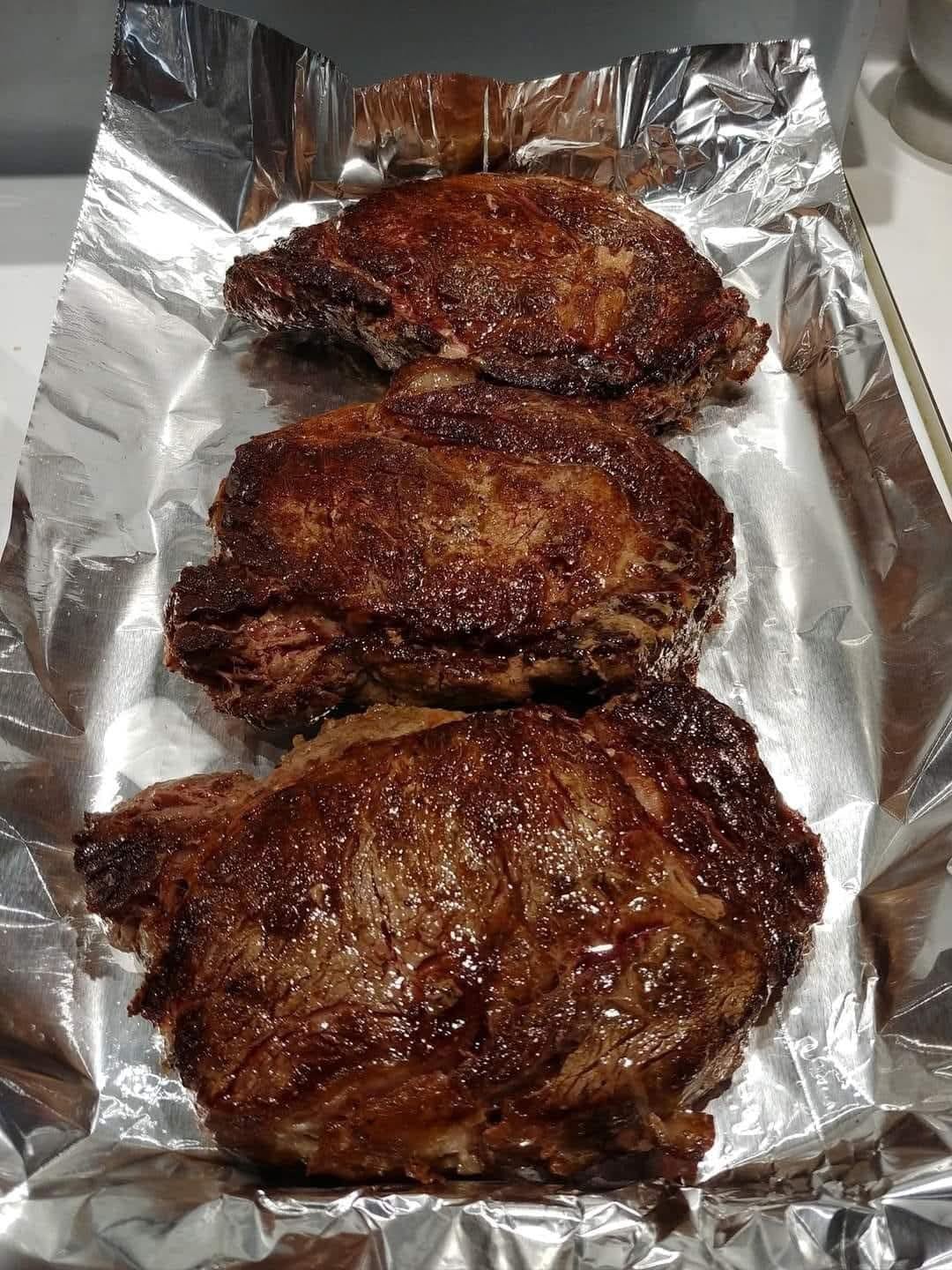
Perfect Ribeye Steak Recipe: Juicy, Flavor-Packed, and Foolproof Every Time
Cooking the perfect ribeye steak at home can feel intimidating, but it does not have to be. With the right approach, simple ingredients, and a clear understanding of technique, you can consistently make a ribeye that is juicy, tender, and full of rich flavor. This guide is designed to be clear, practical, and reliable, helping you achieve restaurant-quality results in your own kitchen.
Ribeye steak is prized for its marbling, which means thin streaks of fat distributed throughout the meat. This fat melts during cooking, creating a steak that is naturally flavorful and moist. When cooked correctly, ribeye delivers a perfect balance of crisp exterior and tender interior. This article will walk you through every step, from choosing the right cut to serving it with confidence.
Why Ribeye Is the Best Steak for Home Cooking
Ribeye is one of the most forgiving cuts of beef, making it ideal for home cooks of all skill levels. The generous marbling helps protect the meat from drying out, even if it is cooked slightly longer than intended. This quality makes ribeye an excellent choice if you want a foolproof steak that still tastes luxurious.
Another reason ribeye stands out is its strong natural flavor. Unlike leaner cuts, ribeye does not rely heavily on marinades or complex seasonings. A simple combination of salt and pepper is often enough to highlight the meat’s richness. This simplicity allows you to focus on technique rather than complicated preparation.
Choosing the Right Ribeye Steak
The first step to a perfect ribeye steak begins at the store or butcher shop. Look for steaks that are well-marbled with creamy white fat evenly spread throughout the meat. Avoid steaks with large patches of hard fat or uneven coloring, as these can affect cooking and texture.
Thickness is another critical factor. A ribeye that is at least 1.25 to 1.5 inches thick is ideal. Thicker steaks allow you to develop a beautiful crust on the outside without overcooking the inside. Thin steaks cook too quickly and make it difficult to control doneness.
Whenever possible, choose fresh steak over pre-packaged options. Freshly cut ribeye typically has better texture and flavor. If you have access to a butcher, do not hesitate to ask questions. A good butcher can help you select a steak that fits your cooking method and preferences.
Essential Tools for Foolproof Results
You do not need professional equipment to cook a great ribeye, but a few basic tools will significantly improve your results. A heavy pan, preferably cast iron or stainless steel, is essential. These materials retain heat well and help create a strong sear.
A reliable meat thermometer is another valuable tool. While experienced cooks may rely on touch, a thermometer removes guesswork and ensures consistent doneness. This is especially helpful if you are still learning how different doneness levels feel.
Other useful items include kitchen tongs for flipping the steak, paper towels for drying the meat, and a resting plate to allow the steak to relax after cooking. Each tool plays a small but important role in achieving a perfect result.
Preparing the Ribeye Steak
Proper preparation sets the foundation for success. Start by removing the steak from the refrigerator about 30 to 45 minutes before cooking. Allowing the steak to come closer to room temperature helps it cook more evenly.
Before seasoning, pat the steak dry with paper towels. Moisture on the surface can prevent proper browning. A dry surface allows the steak to develop a rich, golden crust when it hits the hot pan.
Season generously with salt and freshly ground black pepper on both sides. Do not be afraid of using enough salt, as it enhances flavor and helps form the crust. Keep the seasoning simple to let the ribeye’s natural taste shine.
The Best Cooking Method: Pan-Seared Ribeye
Pan-searing is one of the most reliable methods for cooking ribeye steak. It offers excellent control over heat and allows you to build flavor through proper browning. This method works well on most stovetops and does not require special equipment.
Begin by heating your pan over medium-high heat. Allow it to get hot before adding a small amount of cooking oil with a high smoke point. The oil should shimmer but not smoke excessively.
Carefully place the steak in the pan, laying it away from you to avoid splattering. Once the steak is in the pan, resist the urge to move it. Letting it stay in contact with the hot surface is essential for creating a good crust.
Cooking Times and Doneness
Cooking time depends on the thickness of the steak and your preferred doneness. As a general guideline, a 1.5-inch ribeye will take about 4 to 5 minutes per side for medium-rare. Use a thermometer to check internal temperature for accuracy.
For rare steak, aim for an internal temperature of about 120 to 125 degrees Fahrenheit. Medium-rare is typically 130 to 135 degrees, while medium falls around 140 to 145 degrees. Avoid cooking beyond this range, as ribeye can lose its tenderness if overcooked.
Flip the steak only once or twice during cooking. Frequent flipping can prevent proper browning and disrupt the cooking process. Allow each side enough time to develop color and flavor.
Enhancing Flavor with Simple Techniques
During the final minutes of cooking, you can enhance the steak’s flavor with a simple technique known as basting. Add a small amount of butter to the pan and allow it to melt. Tilt the pan slightly and spoon the melted butter over the steak.
This process adds richness and helps evenly distribute heat across the surface of the meat. If desired, you may also add fresh herbs such as thyme or rosemary to the butter for subtle aroma, though this is optional.
Keep basting brief to avoid overcooking. The goal is to complement the steak’s natural flavor, not overpower it.
The Importance of Resting the Steak
Resting the steak after cooking is a crucial step that should never be skipped. Once removed from the pan, place the steak on a plate and let it rest for 5 to 10 minutes. During this time, the juices redistribute throughout the meat.
Cutting into the steak too soon causes these juices to escape, resulting in a drier texture. Resting ensures every bite is juicy and satisfying. Cover the steak loosely with foil if needed, but avoid wrapping it tightly.
Slicing and Serving
When ready to serve, slice the ribeye against the grain. This shortens the muscle fibers and makes the steak easier to chew. Use a sharp knife and smooth, confident strokes.
Ribeye pairs well with simple sides that do not compete with its flavor. Options like roasted vegetables, mashed potatoes, or a fresh salad complement the steak without overwhelming it.
Serve immediately and enjoy the result of careful preparation and attention to detail. A properly cooked ribeye is best appreciated while hot and fresh.
Common Mistakes to Avoid
One common mistake is cooking the steak straight from the refrigerator. Cold meat cooks unevenly and can result in a tough exterior with an undercooked center. Always allow time for the steak to warm slightly before cooking.
Another mistake is overcrowding the pan. Cooking multiple steaks at once can lower the pan’s temperature and prevent proper searing. If necessary, cook steaks in batches to maintain heat.
Finally, avoid excessive seasoning or complicated marinades. Ribeye does not need much to shine. Simple preparation often produces the best results.
Conclusion
Cooking the perfect ribeye steak at home is a skill that anyone can master with practice and patience. By choosing a quality cut, using proper tools, and following a clear method, you can consistently achieve a steak that is juicy, flavorful, and satisfying.
This foolproof approach focuses on simplicity, technique, and respect for the ingredient. Whether you are cooking for yourself or sharing a meal with others, a well-prepared ribeye steak is always a rewarding experience. With this guide, you are well-equipped to cook a perfect ribeye every time.