
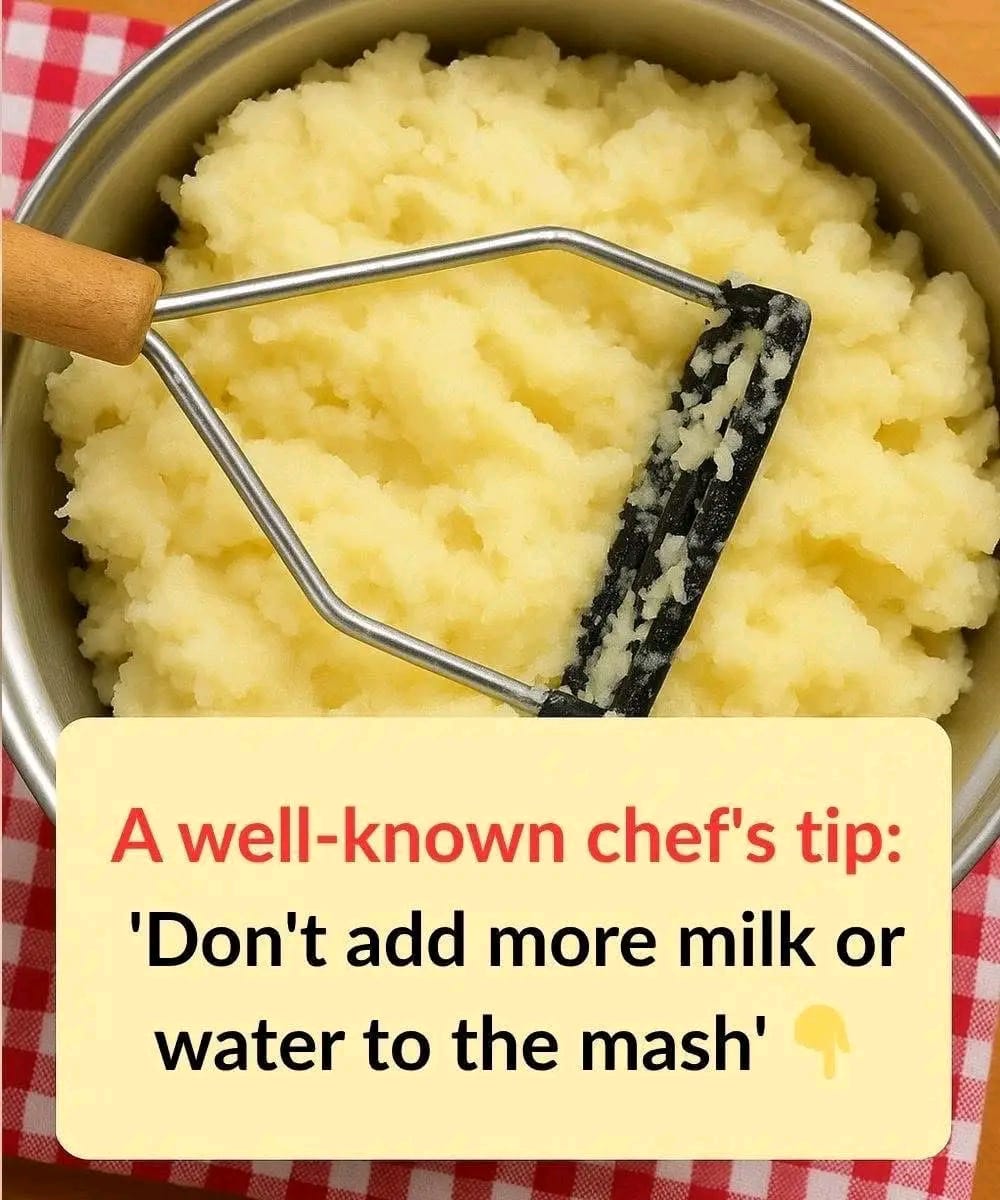
Creamy Mashed Potatoes Recipe
Creamy mashed potatoes are one of the most loved comfort foods in the world. They are simple, warm, and satisfying, yet when prepared with care, they can be incredibly rich in flavor and texture. This recipe is designed to help you create perfectly smooth, creamy mashed potatoes that can be served as a side dish for family dinners, holidays, or special occasions. Whether you are a beginner in the kitchen or someone who loves cooking, this guide will walk you through every detail step by step.
Mashed potatoes may seem easy at first glance, but achieving the perfect creaminess requires attention to ingredients, technique, and timing. The type of potato you choose, how you cook them, and what you add to them all play an important role. In this blog post, we will explore not only the recipe itself but also the science behind creamy mashed potatoes, helpful tips, variations, and serving ideas.
Why Creamy Mashed Potatoes Are So Popular
Mashed potatoes have been a staple dish for centuries. They are popular because they are affordable, filling, and versatile. Creamy mashed potatoes, in particular, offer a smooth texture that feels comforting and indulgent. They pair well with many main dishes such as roasted chicken, grilled meat, vegetables, and even plant-based meals.
Another reason for their popularity is their adaptability. You can keep them simple with butter and milk, or elevate them with cream, garlic, herbs, or cheese. Creamy mashed potatoes can be rustic or refined, depending on how they are prepared and served.
Choosing the Right Potatoes
The foundation of any great mashed potato recipe is the potato itself. Not all potatoes are the same, and choosing the right variety makes a big difference in texture and flavor. For creamy mashed potatoes, starchy potatoes are the best choice.
Russet potatoes and Yukon Gold potatoes are the most commonly recommended. Russet potatoes are very starchy and produce a light, fluffy mash. Yukon Gold potatoes have a naturally buttery flavor and create a creamy texture even with less added fat. Many cooks like to use a combination of both for the best balance.
Waxy potatoes, such as red potatoes, are less suitable because they tend to become gluey when mashed. While they are great for salads and roasting, they are not ideal for achieving a smooth and creamy mash.
Essential Ingredients
To make creamy mashed potatoes, you do not need many ingredients. However, the quality of each ingredient matters. Simple, fresh ingredients will always give the best result.
- Potatoes (Russet or Yukon Gold)
- Butter
- Milk or heavy cream
- Salt
- Black pepper
Butter adds richness and flavor, while milk or cream provides smoothness and moisture. Salt enhances the natural taste of the potatoes, and black pepper adds a subtle warmth. From this basic list, you can build additional flavors if desired.
Preparing the Potatoes
Proper preparation is key to making creamy mashed potatoes. Start by washing the potatoes thoroughly to remove any dirt. If you prefer a smoother texture, peel the potatoes. Leaving the skin on is also an option, but it will result in a more rustic mash.
After washing and peeling, cut the potatoes into evenly sized chunks. This ensures that they cook at the same rate. Uneven pieces can lead to some potatoes being overcooked while others remain undercooked, which affects the final texture.
Place the potato chunks in a large pot and cover them with cold water. Starting with cold water helps the potatoes cook evenly from the inside out.
Cooking the Potatoes
Bring the pot of potatoes to a gentle boil over medium-high heat. Add a generous amount of salt to the water. This step is important because it seasons the potatoes from the inside as they cook.
Once the water reaches a boil, reduce the heat slightly and let the potatoes simmer. They should cook for about 15 to 20 minutes, depending on their size. The potatoes are done when a fork can easily slide into a piece without resistance.
Avoid overcooking the potatoes, as this can cause them to absorb too much water and become watery. Properly cooked potatoes will be tender but not falling apart.
Draining and Drying
When the potatoes are fully cooked, drain them well using a colander. Let them sit for a minute to allow excess steam to escape. This step helps remove extra moisture, which is essential for achieving a creamy but not watery texture.
Some cooks like to return the drained potatoes to the hot pot for a short time, stirring gently over low heat. This helps evaporate any remaining water and prepares the potatoes for mashing.
Mashing Techniques
The way you mash your potatoes has a major impact on the final texture. For creamy mashed potatoes, it is important to avoid overworking them. Over-mashing releases too much starch and results in a gluey consistency.
A potato masher or a ricer is the best tool for this job. A ricer creates an extremely smooth texture, while a masher gives you more control. Avoid using a blender or food processor, as they almost always overwork the potatoes.
Mash the potatoes while they are still hot. Warm potatoes absorb butter and cream more easily, resulting in a smoother and richer mash.
Adding Butter and Cream
Butter should be added first while the potatoes are still hot. Cut the butter into small pieces and let it melt into the potatoes. This creates a rich base and coats the starch, improving texture.
Next, slowly add warm milk or cream. Warming the liquid beforehand prevents the potatoes from cooling down and helps maintain a smooth consistency. Add the liquid gradually, mixing gently, until you reach your desired creaminess.
Be careful not to add too much liquid at once. It is easier to add more than to fix overly loose mashed potatoes.
Seasoning the Mashed Potatoes
Seasoning is what brings mashed potatoes to life. Start with salt and mix well. Taste and adjust as needed. Potatoes require more salt than many people expect, so do not be afraid to season properly.
Add freshly ground black pepper for subtle heat and depth. You can also experiment with other seasonings, but simplicity is often best when aiming for classic creamy mashed potatoes.
Optional Flavor Additions
While classic creamy mashed potatoes are delicious on their own, there are many ways to customize them. Adding roasted garlic can bring sweetness and depth. Fresh herbs like chives or parsley add freshness and color.
Cheese lovers can add grated Parmesan, cheddar, or cream cheese for extra richness. Sour cream or crème fraîche can also be used to add a slight tang that balances the richness.
Each addition should be mixed in gently to maintain the creamy texture.
Serving Suggestions
Creamy mashed potatoes are incredibly versatile and can be served with a wide range of dishes. They are a classic side for roasted meats, poultry, and vegetables. They also work well as a base for stews and gravies.
For a simple presentation, serve them warm with a small pat of butter on top. For special occasions, you can pipe them onto plates or garnish with herbs.
Storing and Reheating
Leftover mashed potatoes can be stored in an airtight container in the refrigerator for up to three days. To reheat, add a little milk or cream and warm gently on the stove or in the oven.
Stir occasionally while reheating to restore the creamy texture. Avoid overheating, as this can dry them out.
Final Thoughts
Creamy mashed potatoes are a timeless dish that brings comfort and satisfaction to any meal. With the right ingredients and techniques, you can transform simple potatoes into a smooth, rich, and flavorful side dish.
This recipe is meant to be a foundation that you can adjust to your taste. Whether you prefer them ultra-smooth or slightly rustic, lightly seasoned or full of flavor, creamy mashed potatoes are always a welcome addition to the table.
By following the steps and tips in this guide, you can confidently prepare creamy mashed potatoes that are balanced, comforting, and delicious every time.