
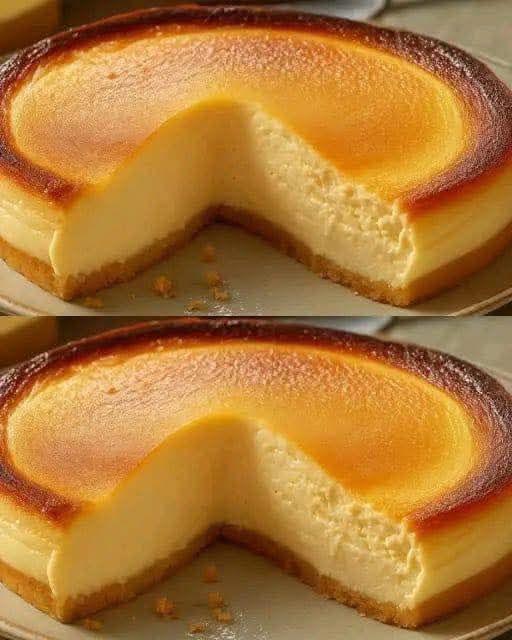
Condensed Milk Cake – The Sweet, Simple Dessert That Always Delivers
Condensed milk cake is one of those desserts that proves simplicity can be just as powerful as complexity. With a short list of ingredients, minimal preparation, and a reliably delicious result, this cake has earned a special place in kitchens around the world. Whether you are an experienced baker or someone just starting out, condensed milk cake offers comfort, sweetness, and consistency every single time.
This cake is not about fancy techniques or rare ingredients. Instead, it focuses on balance, texture, and flavor. The richness of condensed milk replaces the need for multiple sweeteners, while also contributing to a moist, tender crumb. The result is a cake that feels homemade in the best possible way, evoking warmth, nostalgia, and satisfaction.
The Origins and Popularity of Condensed Milk Cake
Condensed milk itself has a long and interesting history. Originally developed in the nineteenth century as a way to preserve milk without refrigeration, condensed milk quickly became a staple in households across the globe. Its long shelf life, rich taste, and versatility made it especially popular in regions where fresh dairy was not always readily available.
As condensed milk spread across different cultures, it naturally found its way into desserts. Cakes, puddings, pies, and candies began to feature this ingredient, taking advantage of its sweetness and creamy texture. Condensed milk cake emerged as a practical and delicious solution for home bakers who wanted reliable results without complicated recipes.
Today, condensed milk cake is enjoyed in many countries, often with small regional variations. Some versions are dense and rich, while others are lighter and fluffier. Despite these differences, the core idea remains the same: a simple cake built around the comforting sweetness of condensed milk.
Why Condensed Milk Cake Works So Well
One of the main reasons condensed milk cake is so successful lies in the science of baking. Condensed milk is milk that has had most of its water removed and sugar added. This combination provides both moisture and sweetness, two essential components in cake baking.
The sugar in condensed milk helps tenderize the cake by slowing gluten formation in the flour. This results in a softer crumb that stays moist for longer. At the same time, the milk proteins contribute to structure, ensuring the cake holds together without becoming heavy.
Another advantage is consistency. Because condensed milk has a standardized sweetness and thickness, it reduces the margin for error. Bakers do not need to worry as much about balancing sugar and liquid ratios, making this cake especially forgiving for beginners.
Key Ingredients and Their Roles
Although recipes may vary, most condensed milk cakes rely on a small set of core ingredients. Each one plays an important role in the final outcome of the cake.
Condensed Milk
Condensed milk is the star of the recipe. It provides sweetness, moisture, and richness all at once. Its thick texture helps create a smooth batter and contributes to the cake’s tender crumb.
Flour
Flour gives the cake its structure. All-purpose flour is most commonly used, offering a balance between strength and softness. When mixed gently, it supports the cake without making it dense.
Eggs
Eggs help bind the ingredients together and add stability. They also contribute to the cake’s rise and give it a light, airy texture when properly incorporated.
Fat
Butter or oil is often added to enhance richness and improve mouthfeel. Butter adds flavor, while oil can make the cake even more moist. Either option works well depending on personal preference.
Leavening Agent
Baking powder or baking soda is used to help the cake rise. This creates air pockets in the batter, resulting in a lighter texture.
The Texture and Flavor Profile
Condensed milk cake is known for its soft, moist texture. Unlike some cakes that dry out quickly, this cake tends to stay fresh for several days when stored properly. The crumb is tender but not crumbly, making it easy to slice and serve.
In terms of flavor, the cake is gently sweet rather than overpowering. The condensed milk provides a caramel-like depth, especially when baked, giving the cake a warm and comforting taste. This makes it an excellent base for additional flavors or toppings, though it is just as enjoyable on its own.
Versatility and Variations
One of the greatest strengths of condensed milk cake is its versatility. The basic recipe can be adapted in countless ways, allowing bakers to customize it according to their tastes or available ingredients.
Vanilla is a common addition, enhancing the cake’s aroma and sweetness. Citrus zest, such as lemon or orange, can add brightness and contrast. Cocoa powder or melted chocolate can transform the cake into a rich chocolate dessert.
For those who enjoy texture, additions like shredded coconut, chopped nuts, or dried fruit work beautifully. These ingredients complement the sweetness of the condensed milk without overwhelming the cake.
Serving Suggestions
Condensed milk cake is incredibly flexible when it comes to serving. It can be enjoyed plain, allowing its natural flavor to shine. A light dusting of powdered sugar is often enough to enhance its presentation.
For a more indulgent option, the cake can be paired with fresh fruit, whipped cream, or a simple glaze. A drizzle of chocolate or caramel sauce adds richness without complicating the dessert.
Because of its balanced sweetness, condensed milk cake also pairs well with beverages. Coffee, tea, or even a glass of milk complement the cake perfectly, making it suitable for breakfast, afternoon snacks, or dessert.
Why This Cake Is Perfect for Any Occasion
Condensed milk cake fits effortlessly into a wide range of occasions. It is simple enough for everyday baking yet satisfying enough to serve at gatherings. Its straightforward preparation makes it ideal for last-minute desserts or spontaneous baking sessions.
This cake is also a great choice for sharing. Its familiar flavors appeal to people of all ages, making it a safe and crowd-pleasing option. Whether served at family gatherings, school events, or casual celebrations, it rarely disappoints.
Storage and Shelf Life
One of the practical benefits of condensed milk cake is its ability to stay moist over time. When stored in an airtight container at room temperature, it can remain fresh for several days.
For longer storage, the cake can be refrigerated, though it should be brought back to room temperature before serving to restore its soft texture. It can also be frozen, making it a convenient option for advance preparation.
Tips for Best Results
To achieve the best possible condensed milk cake, it is important not to overmix the batter. Gentle mixing helps preserve air bubbles and prevents the cake from becoming dense.
Using room-temperature ingredients can also improve the final texture. Eggs and butter blend more smoothly when not cold, resulting in a more even batter.
Finally, careful baking is key. Overbaking can dry out the cake, while underbaking may affect its structure. Checking for doneness with a toothpick ensures a perfectly baked result.
Conclusion
Condensed milk cake is a testament to the beauty of simple baking. With minimal ingredients and straightforward steps, it delivers a dessert that is comforting, reliable, and deeply satisfying. Its soft texture, balanced sweetness, and adaptability make it a favorite for bakers of all skill levels.
Whether you enjoy it plain, dressed up with toppings, or customized with your favorite flavors, condensed milk cake consistently delivers on its promise. It is more than just a recipe; it is a reminder that sometimes the simplest desserts are the ones that leave the strongest impression.