
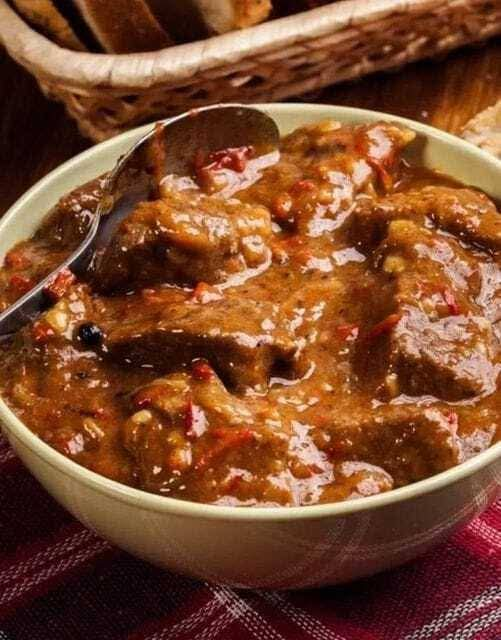
Old-Fashioned Beef Stew
Old-Fashioned Beef Stew is one of the most comforting and timeless dishes in traditional home cooking.
It represents warmth, patience, and simple ingredients transformed into something deeply satisfying.
For generations, families have relied on beef stew as a dependable meal that nourishes both the body and the soul.
Slow-cooked and rich in flavor, this dish is especially loved during colder months, when a hearty bowl of stew feels like a true reward at the end of the day.
This classic recipe is built on basic techniques rather than complicated methods.
It emphasizes slow cooking, careful seasoning, and respect for the ingredients.
Unlike modern shortcuts, old-fashioned beef stew allows time to do the work, resulting in tender meat, deeply flavored broth, and vegetables that hold their shape while absorbing the savory liquid around them.
The History of Beef Stew
Beef stew has existed in various forms across many cultures for centuries.
The concept of simmering meat with vegetables in liquid dates back to a time when cooking was done over open fires and preserving tenderness required patience.
Stews were practical meals, allowing tougher cuts of meat to become tender through long cooking times.
In Western cooking traditions, beef stew became especially popular because cattle were widely available, and beef provided a rich, filling protein source.
Farm families often prepared stew using whatever vegetables were in season, making the dish flexible and economical.
This adaptability helped beef stew remain a staple throughout history.
The old-fashioned version we know today became common in the nineteenth and early twentieth centuries.
During this time, home cooks perfected techniques such as browning meat, deglazing pans, and layering flavors.
These methods are still essential in making a truly authentic beef stew.
Why Old-Fashioned Beef Stew Stands Out
What separates old-fashioned beef stew from quicker or modern versions is its depth of flavor.
Every step is intentional, from browning the beef to slowly simmering the stew until everything comes together harmoniously.
There is no rush, and that patience is reflected in the final dish.
Another defining feature is simplicity.
Old-fashioned beef stew does not rely on exotic spices or complex ingredients.
Instead, it uses pantry staples such as onions, carrots, potatoes, garlic, and herbs.
The focus is on balance rather than boldness, allowing each ingredient to contribute without overpowering the others.
Choosing the Right Ingredients
The success of an old-fashioned beef stew begins with ingredient selection.
Because the recipe is simple, quality matters.
Each component should be chosen with care to ensure the best possible result.
Beef Selection
Tougher cuts of beef are ideal for stew.
Cuts such as chuck, blade, or shoulder contain connective tissue that breaks down during long cooking, creating tender, flavorful meat.
Lean cuts should be avoided, as they tend to become dry and chewy when cooked for extended periods.
Cutting the beef into evenly sized pieces helps ensure consistent cooking.
Uniform chunks allow the meat to tenderize at the same rate, preventing some pieces from becoming overcooked while others remain tough.
Vegetables
Root vegetables are traditional in old-fashioned beef stew.
Carrots provide natural sweetness, potatoes add heartiness, and onions create a flavorful base.
Celery is often included for its subtle aroma and depth.
Vegetables should be cut into large pieces to prevent them from dissolving during the long simmer.
This helps maintain texture and ensures that each spoonful contains a satisfying combination of meat and vegetables.
Liquid and Seasoning
The cooking liquid is typically beef stock or broth.
A good-quality stock adds richness and depth that water alone cannot provide.
Some traditional recipes also include a small amount of tomato paste or flour to thicken the stew slightly.
Seasonings are kept simple.
Salt, black pepper, bay leaves, and herbs such as thyme or rosemary are commonly used.
These flavors enhance the beef without overpowering it.
The Cooking Process
Making old-fashioned beef stew is as much about technique as it is about ingredients.
Each step builds upon the previous one, creating layers of flavor that develop slowly over time.
Browning the Beef
Browning the beef is one of the most important steps.
This process creates a rich, caramelized surface on the meat, which adds depth to the stew.
The beef should be browned in small batches to avoid overcrowding the pot, which can cause steaming instead of browning.
Once browned, the beef is set aside, leaving behind flavorful bits on the bottom of the pot.
These bits are essential to the final flavor and should never be discarded.
Building the Base
Onions and garlic are typically sautéed next, using the same pot.
As they cook, they loosen the browned bits from the bottom, incorporating them into the base of the stew.
This process, known as deglazing, is key to developing flavor.
Flour may be added at this stage to create a light thickening effect.
When cooked briefly with the onions, it loses its raw taste and blends smoothly into the liquid later.
Slow Simmering
After returning the beef to the pot, the liquid and herbs are added.
The stew is then brought to a gentle simmer, not a rapid boil.
Slow cooking allows the meat fibers to relax and absorb the surrounding flavors.
The stew should be partially covered and checked occasionally.
Stirring gently and adjusting seasoning as needed helps maintain balance and prevents sticking.
Serving Old-Fashioned Beef Stew
Old-fashioned beef stew is best served hot, straight from the pot.
It is often enjoyed on its own, as it provides a complete and filling meal.
However, it also pairs well with simple sides such as bread or rice.
Many people find that beef stew tastes even better the next day.
As it rests, the flavors continue to meld, creating an even richer taste.
Reheating slowly preserves the texture and depth of the dish.
Storage and Reheating
Proper storage helps maintain the quality of leftover stew.
Once cooled, it should be transferred to an airtight container and refrigerated.
It can typically be stored safely for several days.
When reheating, gentle heat is recommended.
Slow reheating on the stove allows the stew to warm evenly without breaking down the vegetables or drying out the meat.
Why This Dish Endures
Old-Fashioned Beef Stew has endured because it represents comfort, reliability, and tradition.
It is a dish that rewards patience and care, making it deeply satisfying to prepare and enjoy.
In a world of fast meals and instant solutions, beef stew reminds us of the value of slowing down.
Its rich aroma, tender meat, and balanced flavors make it a timeless classic that continues to bring people together around the table.
Whether prepared for family, friends, or quiet evenings at home, old-fashioned beef stew remains a symbol of home-cooked goodness.
Its simplicity and depth ensure that it will always have a place in kitchens across generations.