
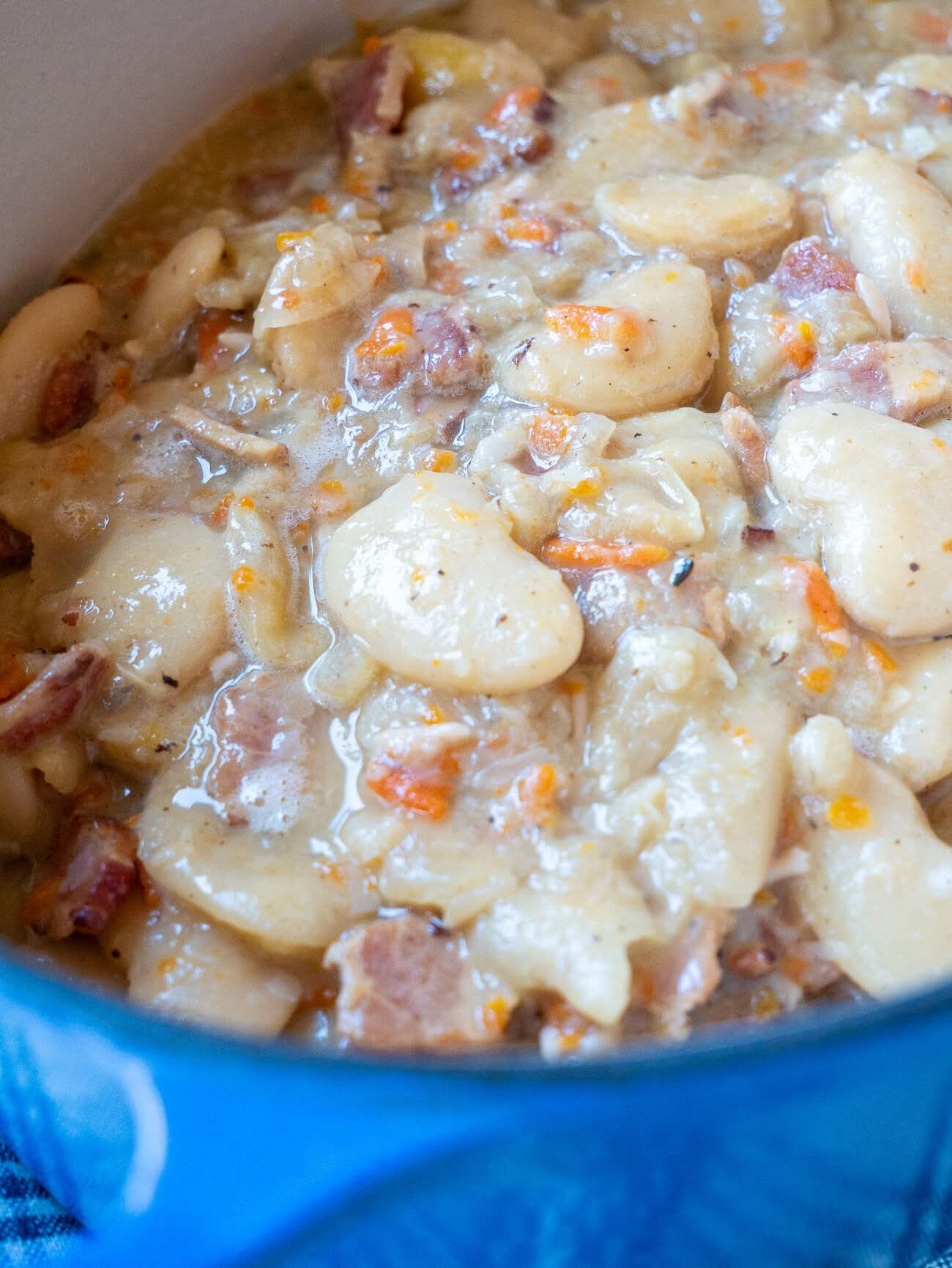
Southern Style Butter Beans (Lima Beans)
Southern Style Butter Beans, often known outside the South as lima beans, are a beloved staple of traditional Southern American cooking. Creamy, tender, and rich in flavor, butter beans have long been associated with comfort food, family gatherings, and slow-cooked meals shared around the table. This dish is not just about nourishment; it represents history, culture, and a deep connection to regional identity.
In Southern kitchens, butter beans are treated with respect and patience. They are simmered slowly, seasoned thoughtfully, and often cooked with simple ingredients that allow their natural flavor to shine. This article explores the origins of butter beans, their role in Southern cuisine, how they are prepared, and why they continue to be cherished across generations.
Understanding Butter Beans and Lima Beans
Butter beans and lima beans come from the same plant, scientifically known as Phaseolus lunatus. The difference lies mainly in size and maturity. Butter beans are typically larger and more mature, while lima beans are smaller and younger. In the Southern United States, the term “butter beans” is commonly used, especially when referring to the larger, cream-colored variety.
The name “butter bean” reflects their smooth, buttery texture when cooked properly. Unlike some legumes that remain firm or grainy, butter beans become soft and creamy, making them ideal for slow-cooked dishes. This texture is one of the main reasons they are so popular in Southern cuisine.
Historical Roots in Southern Cooking
Butter beans have a long history that predates their arrival in the Southern United States. Originally cultivated in Central and South America, they were later introduced to North America through trade and exploration. Over time, they became well-suited to the warm climate of the Southern states, where they could be grown easily and in abundance.
In the South, butter beans became a common crop for both small family gardens and larger farms. During times of economic hardship, especially in the early twentieth century, butter beans were valued for their affordability, nutritional value, and ability to feed large families. They were often grown, shelled, and preserved at home, becoming a dependable pantry staple.
Why Butter Beans Matter in Southern Culture
Food in the South is deeply tied to memory, tradition, and family. Butter beans frequently appear on dinner tables during Sunday meals, holidays, and community gatherings. They are often served alongside cornbread, greens, and other classic Southern dishes, forming a meal that feels complete and comforting.
For many people, the smell of butter beans simmering on the stove brings back memories of childhood kitchens and grandparents’ homes. The dish represents patience and care, as it cannot be rushed. This emotional connection has helped preserve butter beans as an essential part of Southern culinary heritage.
Key Ingredients in Southern Style Butter Beans
One of the defining features of Southern Style Butter Beans is their simplicity. The ingredient list is usually short, relying on quality and technique rather than complexity. Fresh or dried butter beans form the foundation of the dish, while seasonings enhance their natural flavor.
Common ingredients include onions, garlic, salt, and black pepper. Many traditional recipes also use smoked or cured elements to add depth, such as ham hocks or smoked turkey. These ingredients infuse the beans with a savory richness as they cook slowly together.
Fresh, Frozen, or Dried Beans
Southern cooks use butter beans in different forms depending on availability and season. Fresh butter beans are highly prized and usually available in late summer. They require less cooking time and have a delicate, sweet flavor that many consider unmatched.
Frozen butter beans are a convenient alternative and retain much of the quality of fresh beans. Dried butter beans, while requiring soaking and longer cooking times, are valued for their deep flavor and long shelf life. Each form has its place in Southern kitchens.
Traditional Cooking Methods
Southern Style Butter Beans are typically cooked using a slow simmering method. This allows the beans to absorb flavors gradually while becoming tender without falling apart. The process begins by sautéing onions or aromatics, followed by adding beans and enough liquid to cover them.
The pot is then brought to a gentle simmer and left to cook for an extended period. Stirring is kept to a minimum to preserve the beans’ shape. The result is a dish with a rich, flavorful broth and beans that melt in the mouth.
Seasoning and Flavor Development
Seasoning butter beans is about balance. Salt is essential, but it is often added gradually to avoid overpowering the beans. Black pepper provides subtle heat, while bay leaves or thyme may be added for herbal notes.
The use of smoked ingredients is a hallmark of Southern Style Butter Beans. As the beans cook, they absorb smoky, savory flavors that complement their natural creaminess. This slow infusion is what gives the dish its depth and character.
Texture and Consistency
The ideal texture of Southern Style Butter Beans is tender but not mushy. Each bean should hold its shape while being soft enough to break easily with a fork. Achieving this texture requires attention to cooking time and temperature.
The broth should be slightly thickened from the starch released by the beans. This creates a comforting, stew-like consistency that pairs well with bread or rice. Many people consider the broth just as important as the beans themselves.
Serving Southern Style Butter Beans
Butter beans are often served as a side dish, but they can also be the centerpiece of a meal. In traditional Southern meals, they are commonly paired with cornbread, which is used to soak up the flavorful broth.
They may also be served alongside other vegetables, roasted meats, or fried foods. The mild flavor of butter beans makes them versatile and compatible with a wide range of dishes.
Nutritional Value and Benefits
Beyond their comforting taste, butter beans are highly nutritious. They are rich in plant-based protein, dietary fiber, and essential minerals such as iron and magnesium. These nutrients support digestion, energy levels, and overall health.
Butter beans are also naturally low in fat and cholesterol-free, making them a wholesome choice when prepared with simple ingredients. Their ability to provide sustained energy has made them a valuable food source for generations.
Modern Interpretations and Variations
While traditional recipes remain popular, modern cooks have found new ways to enjoy Southern Style Butter Beans. Some variations include adding fresh herbs, tomatoes, or different spices to create unique flavor profiles.
Despite these adaptations, the essence of the dish remains the same. The focus is still on slow cooking, comfort, and allowing the beans to shine. Modern interpretations often pay homage to tradition while reflecting contemporary tastes.
Butter Beans in Everyday Southern Life
In many Southern households, butter beans are not reserved for special occasions. They are part of everyday cooking, appearing in weekly meal rotations and family dinners. Their affordability and versatility make them accessible to everyone.
This everyday presence has helped butter beans maintain their relevance over time. They are not seen as outdated or old-fashioned, but rather as reliable and deeply satisfying.
Preserving Tradition Through Cooking
Cooking Southern Style Butter Beans is often an act of preservation. Recipes are passed down through families, shared verbally rather than written, and adjusted by taste and experience. This oral tradition keeps the dish alive and evolving.
Each pot of butter beans tells a story, shaped by the cook’s memories, preferences, and influences. In this way, the dish becomes a living connection to the past.
Conclusion
Southern Style Butter Beans, also known as lima beans, are more than just a simple dish. They represent history, culture, and the power of slow, thoughtful cooking. Their creamy texture, gentle flavor, and comforting nature have earned them a lasting place in Southern cuisine.
Whether served at a large family gathering or enjoyed quietly at home, butter beans continue to bring people together. Their enduring popularity is a testament to the beauty of simple ingredients prepared with care and tradition.