
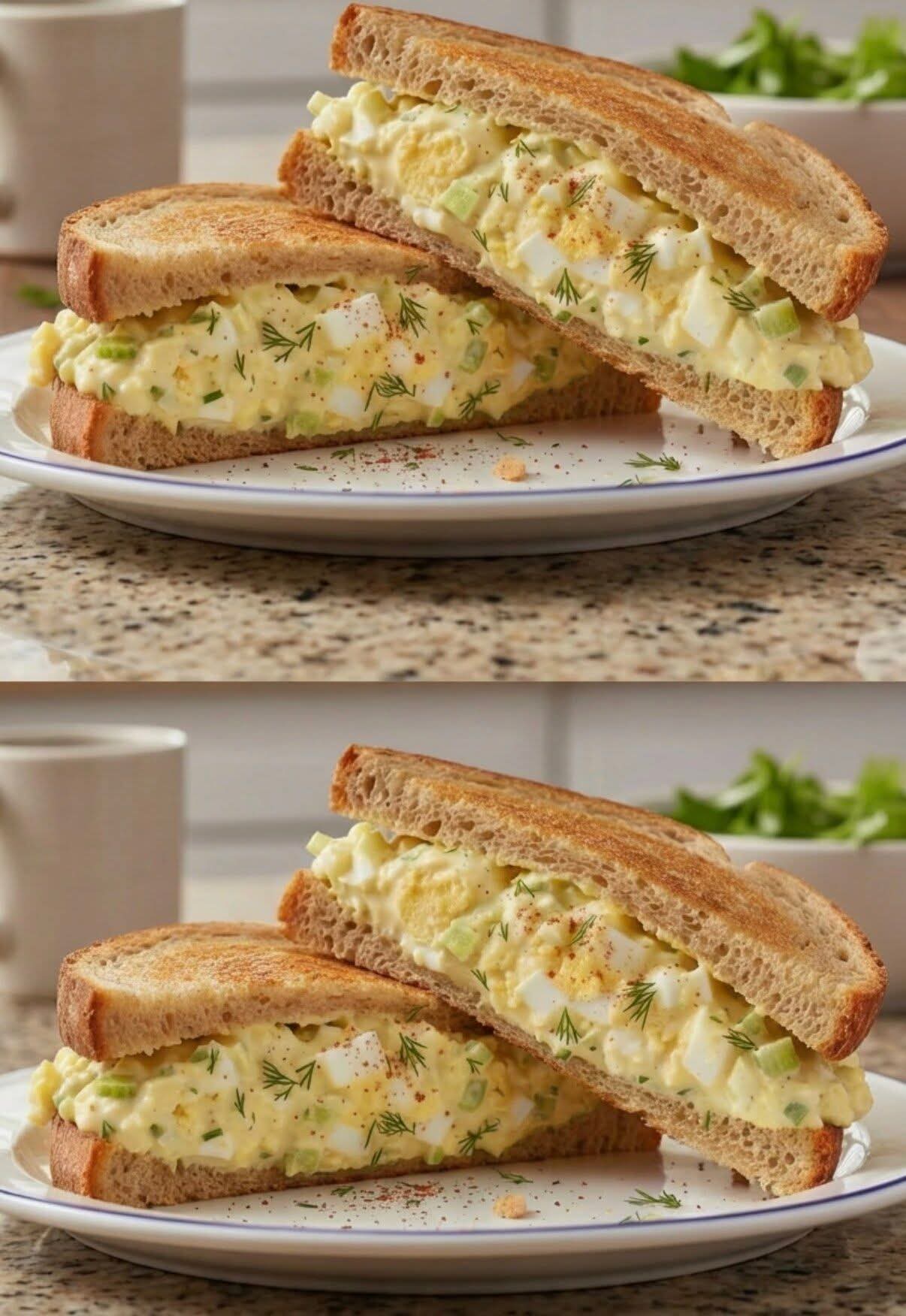
Classic Egg Salad: A Timeless Comfort Dish
Classic egg salad is one of those simple dishes that has stood the test of time.
It is loved for its creamy texture, gentle flavor, and incredible versatility.
Whether served in a sandwich, on toast, wrapped in lettuce, or enjoyed on its own,
egg salad remains a staple in many kitchens around the world.
This dish proves that great food does not need to be complicated.
With just a handful of basic ingredients, egg salad delivers comfort,
nutrition, and nostalgia in every bite.
In this article, we will explore the origins of classic egg salad,
its ingredients, preparation techniques, variations, and tips for making it perfect.
The History of Egg Salad
Egg salad has roots in European cuisine, where boiled eggs were often mixed with sauces
made from oil, vinegar, or cream.
As mayonnaise became more widely available in the late nineteenth and early twentieth centuries,
egg salad evolved into the creamy version we recognize today.
In the United States, egg salad became especially popular as a sandwich filling.
It was affordable, easy to prepare, and suitable for picnics, school lunches,
and family gatherings.
Over time, it earned a reputation as a classic comfort food that feels both familiar and satisfying.
Why Classic Egg Salad Remains Popular
The enduring popularity of classic egg salad lies in its balance.
It is rich without being heavy, flavorful without being overpowering,
and simple without feeling boring.
Egg salad also adapts easily to personal taste, making it a favorite for home cooks.
Another reason for its popularity is accessibility.
Eggs are widely available and relatively inexpensive.
Most households already have the basic ingredients needed to make egg salad,
which makes it a convenient option for quick meals.
Essential Ingredients
A true classic egg salad relies on a small list of ingredients.
Each one plays an important role in achieving the ideal taste and texture.
Using fresh, high-quality ingredients will always produce the best result.
Eggs
Eggs are the foundation of this dish.
Hard-boiled eggs provide structure, protein, and a mild flavor that pairs well with creamy dressings.
For the best egg salad, eggs should be cooked until the yolks are fully set but not dry.
Mayonnaise
Mayonnaise gives egg salad its signature creaminess.
It binds the chopped eggs together and adds richness.
Classic recipes typically use full-fat mayonnaise for the best flavor and texture.
Mustard
A small amount of mustard adds brightness and depth.
Traditional yellow mustard is commonly used, but Dijon mustard can also work well.
The mustard should enhance the flavor without overpowering the eggs.
Salt and Pepper
Simple seasoning is essential.
Salt brings out the natural flavor of the eggs,
while black pepper adds a gentle warmth.
Seasoning should be adjusted carefully to maintain balance.
Optional Additions
While classic egg salad is simple, many people include small additions such as
finely chopped celery, onion, or fresh herbs.
These ingredients add texture and freshness without changing the essence of the dish.
How to Prepare Classic Egg Salad
Preparing classic egg salad is straightforward, but attention to detail makes a difference.
From boiling the eggs correctly to mixing the ingredients gently,
each step contributes to the final quality.
Step One: Boiling the Eggs
Place eggs in a saucepan and cover them with cold water.
Bring the water to a gentle boil, then reduce the heat and simmer.
Once cooked, transfer the eggs to cold water to stop the cooking process.
This helps prevent overcooked yolks and makes peeling easier.
Step Two: Peeling and Chopping
After the eggs have cooled, peel them carefully.
Chop the eggs into small, even pieces.
Some people prefer a chunky texture, while others like a smoother consistency.
The size of the pieces is a matter of personal preference.
Step Three: Mixing the Dressing
In a separate bowl, combine mayonnaise, mustard, salt, and pepper.
Mix until smooth.
This ensures that the dressing is evenly distributed when added to the eggs.
Step Four: Combining Everything
Add the chopped eggs to the dressing and gently fold them together.
Avoid overmixing, as this can make the salad mushy.
The goal is a creamy mixture with visible pieces of egg.
Texture and Flavor Balance
A good egg salad achieves harmony between creaminess and structure.
The eggs should hold their shape while being coated in the dressing.
Too much mayonnaise can overwhelm the dish, while too little can make it dry.
Flavor balance is equally important.
Egg salad should taste rich but fresh.
A hint of acidity from mustard or a small squeeze of lemon juice
can help brighten the overall flavor.
Serving Suggestions
Classic egg salad can be served in many ways.
Its versatility is one of its greatest strengths.
It works well for breakfast, lunch, or even a light dinner.
Egg Salad Sandwich
The most traditional way to serve egg salad is in a sandwich.
Soft bread, such as white or whole wheat, complements the creamy filling.
Adding lettuce provides a pleasant contrast in texture.
On Toast
Egg salad on toasted bread offers a satisfying crunch.
This option is popular for quick meals and casual brunches.
The warmth of the toast enhances the richness of the salad.
Lettuce Wraps
For a lighter option, egg salad can be served in crisp lettuce leaves.
This presentation highlights the freshness of the ingredients
and reduces the heaviness of bread.
As a Side Dish
Egg salad can also be served as a side dish alongside grilled vegetables,
soups, or simple salads.
In this role, it adds protein and creaminess to the meal.
Nutritional Value
Egg salad provides a good source of protein, healthy fats, and essential vitamins.
Eggs are rich in nutrients such as vitamin B12, vitamin D, and choline.
These nutrients support energy levels and overall health.
While mayonnaise adds calories, it also contributes fats that help with satiety.
Moderation and portion control allow egg salad to fit into a balanced diet.
Common Mistakes to Avoid
One common mistake is overcooking the eggs.
Overcooked eggs can develop a dry, crumbly texture and a dull flavor.
Proper cooking ensures a creamy and pleasant result.
Another mistake is using too much dressing.
Egg salad should highlight the eggs, not hide them.
Adding dressing gradually helps maintain the right consistency.
Storing Egg Salad
Egg salad should be stored in an airtight container in the refrigerator.
It is best consumed within three to four days.
Keeping it chilled maintains freshness and prevents spoilage.
Because egg salad contains mayonnaise,
it should not be left at room temperature for extended periods.
Proper storage is essential for food safety.
Why Homemade Is Best
Making egg salad at home allows complete control over ingredients and flavor.
You can adjust seasoning, texture, and richness to suit your preferences.
Homemade egg salad often tastes fresher and more satisfying than store-bought versions.
The process itself is simple and enjoyable.
With minimal effort, you can create a dish that feels comforting and familiar.
Conclusion
Classic egg salad is more than just a simple recipe.
It is a reminder that good food can be both easy and deeply satisfying.
With a few basic ingredients and careful preparation,
egg salad delivers comfort, flavor, and versatility.
Whether enjoyed in a sandwich, on toast, or on its own,
classic egg salad continues to earn its place as a timeless favorite.
Its simplicity, adaptability, and comforting nature ensure that it will remain loved for generations to come.